
Last updated November 23, 2026
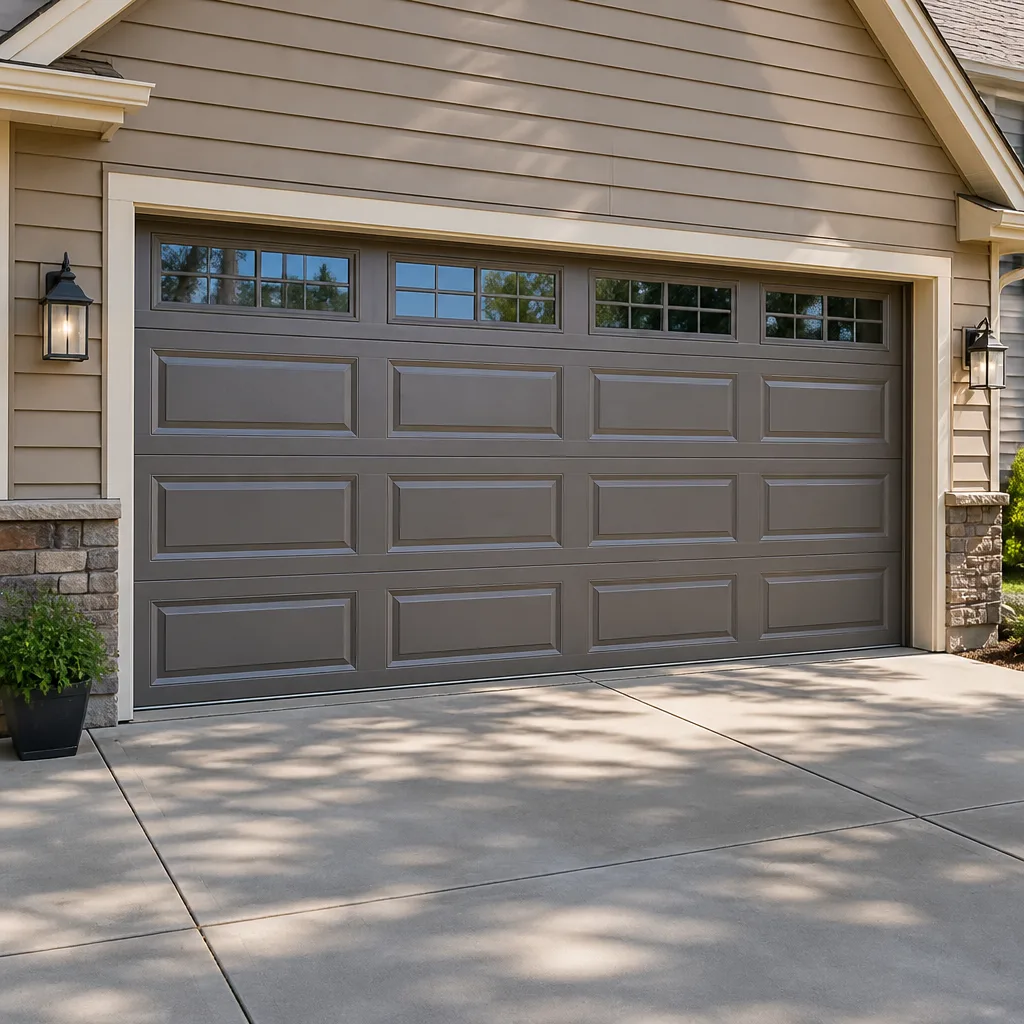 Raised-panel steel
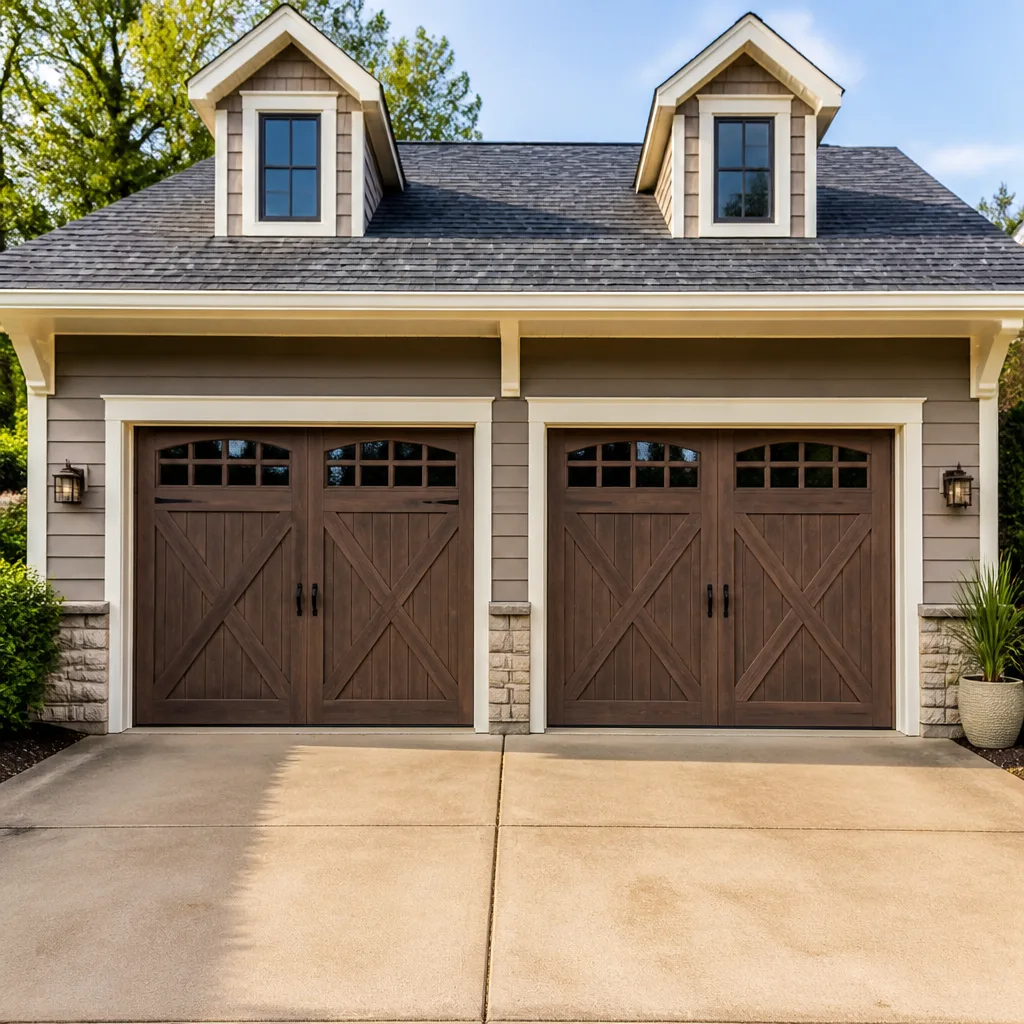 Carriage house
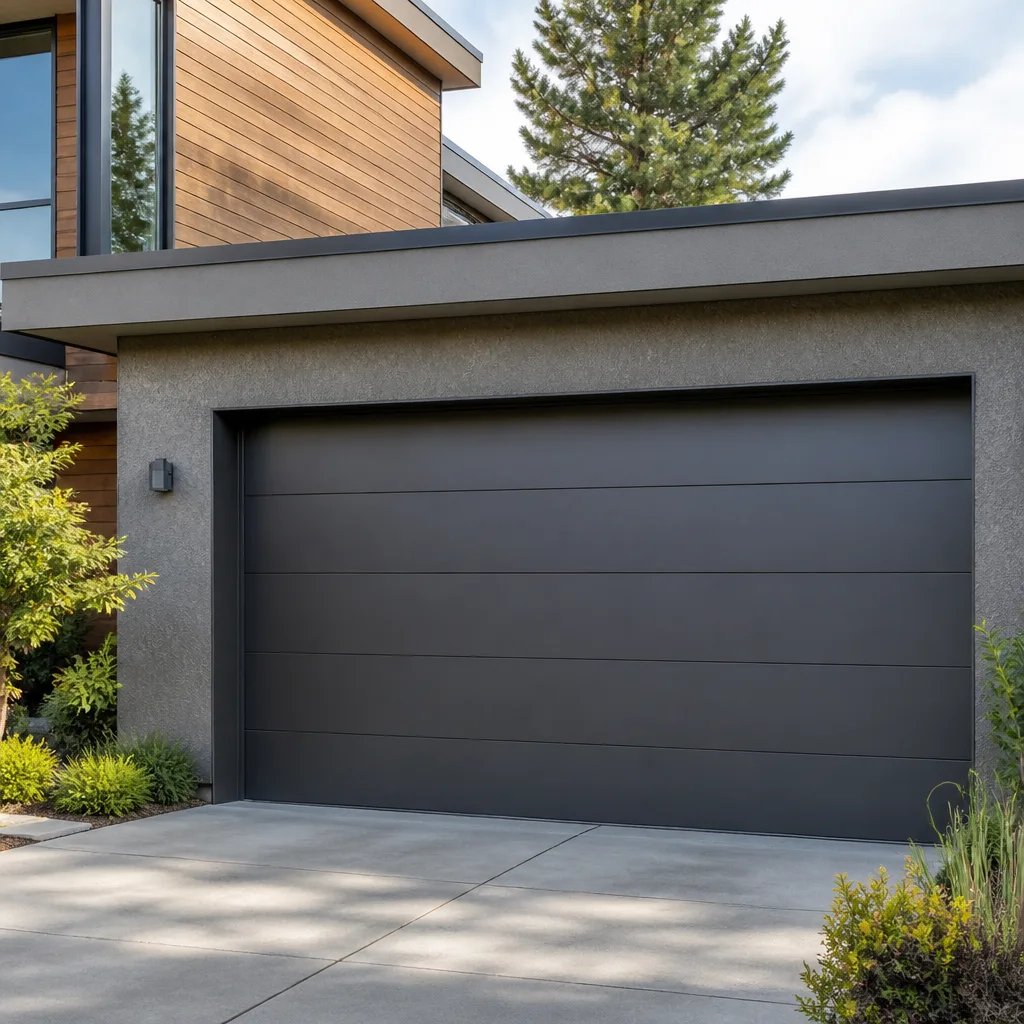 Modern flush
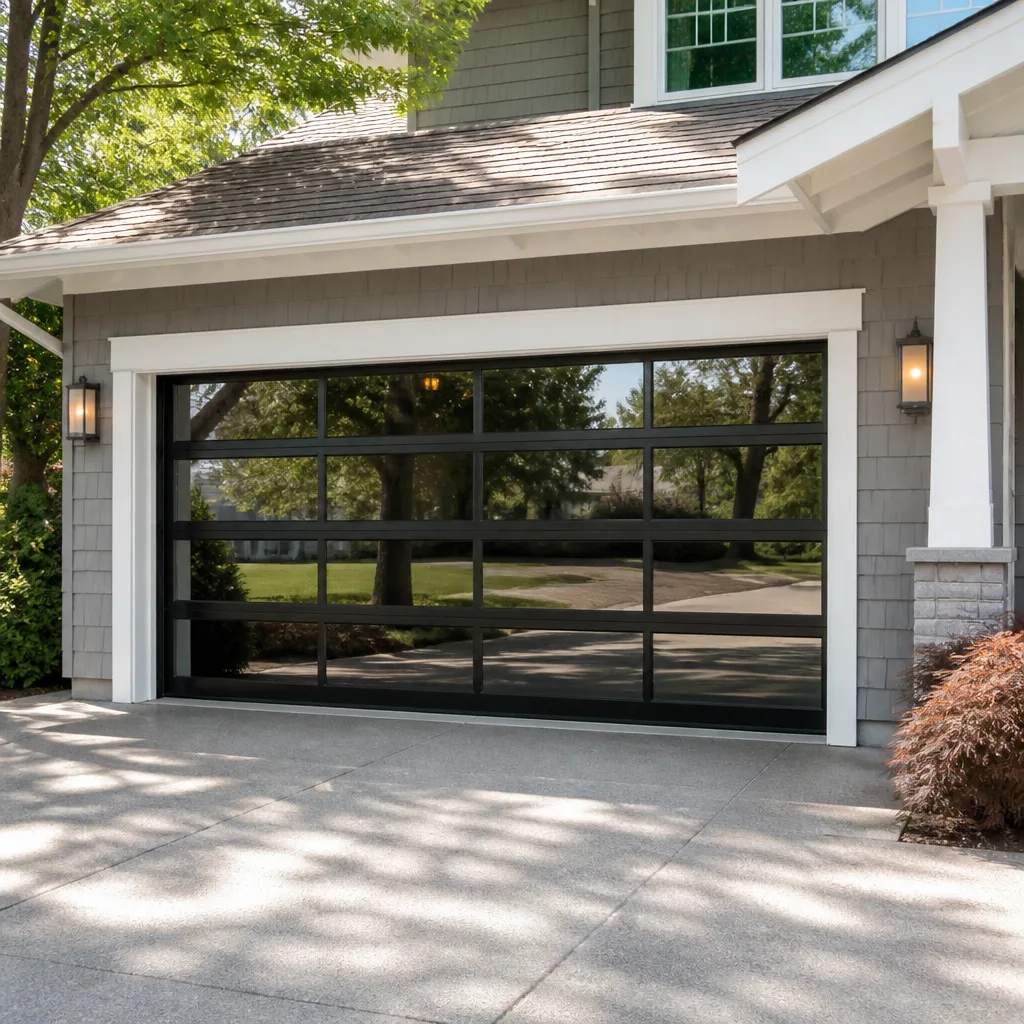 Full-view glass
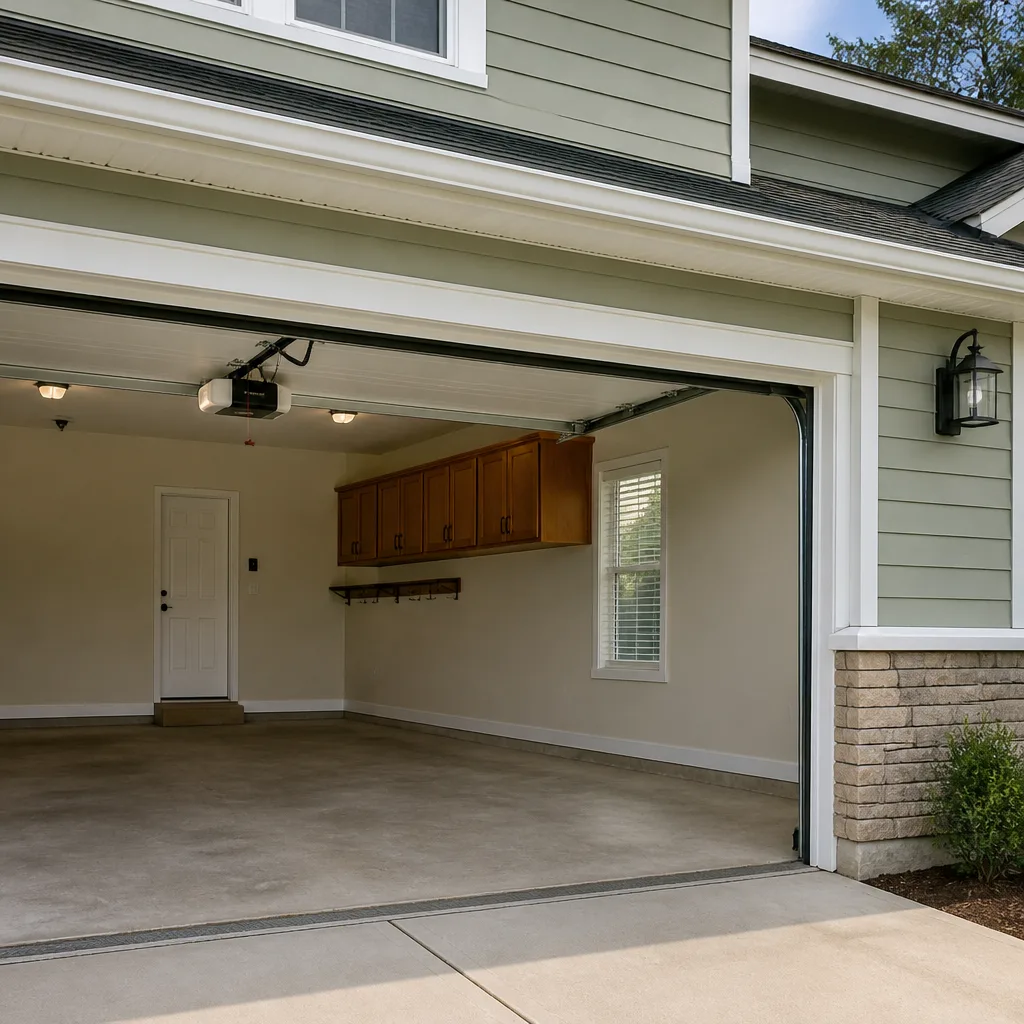 LiftMaster openers
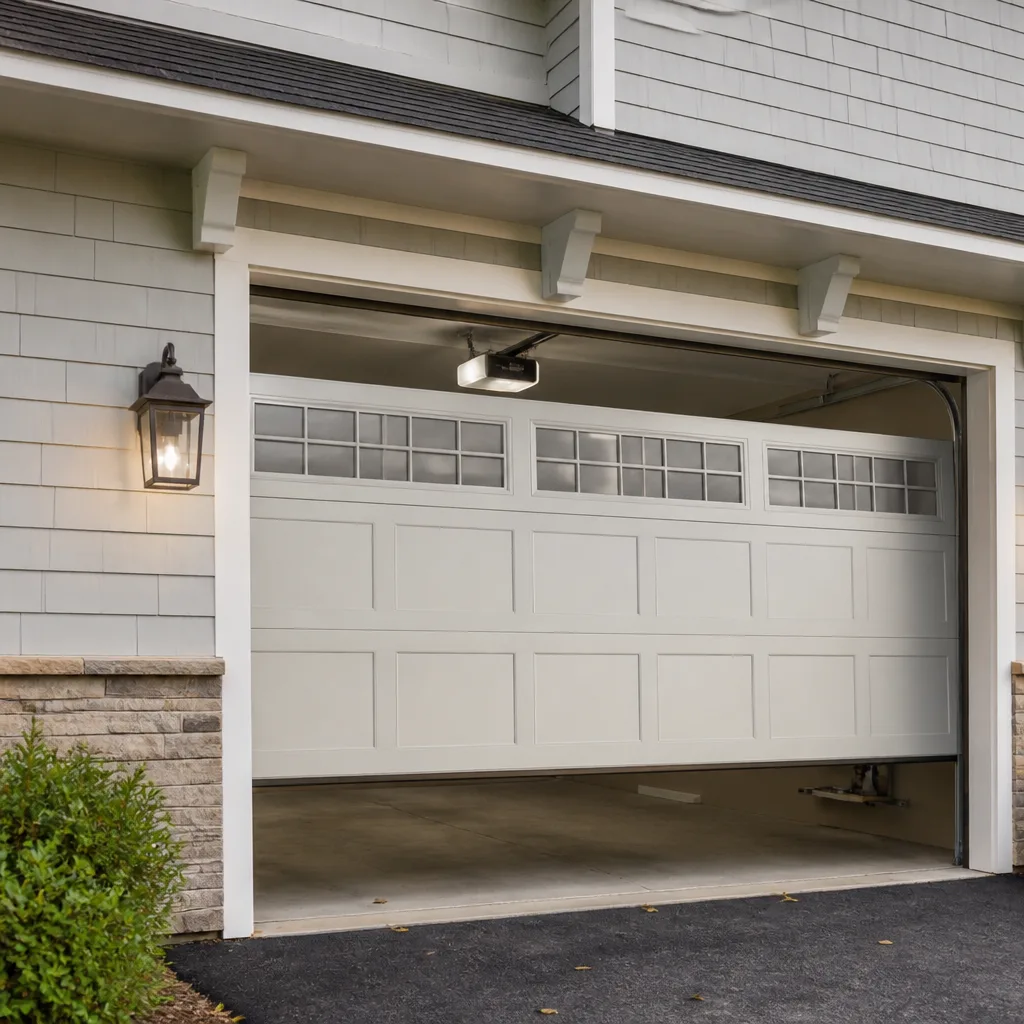 Chamberlain openers
Full 25-point door and opener safety check with every visit - springs, cables, rollers, tracks, and your LiftMaster or Chamberlain opener included
You get a price before we start. It does not change when the pro arrives.
Get your free estimateSeasonal Garage Door Care for Hamilton: Year-Round Homeowner’s Guide
The most expensive garage door calls of the year in Hamilton come in the first cold snap of November, and they almost never start with a hardware failure that morning. They start in September, when a torsion spring that has been quietly losing tension all summer finally meets a 30-degree overnight drop and lets go. The damage isn’t sudden; it’s a season of neglect catching up in one loud noise. There’s a second window in early March, when the ground thaws and every seal, hinge, and track in the county expands at once. This guide walks you through a month-by-month plan built around Hamilton’s actual weather swings, shows you which tasks you can reasonably do yourself, and explains why the most dangerous ones belong to a technician.
Quick Answer
Garage door care in Hamilton follows two high-risk windows: late October, when the first hard freeze stresses torsion springs and opener gears, and early March, when thaw cycles and spring humidity attack bottom seals and steel tracks. Most emergency calls trace back to skipping prep in those two windows rather than to year-round maintenance. Handle light cleaning and lubrication yourself, but leave springs, cables, and opener adjustments to a trained technician.
Styles & brands we work with
- Raised-panel steel
- Carriage house
- Modern flush
- Full-view glass
- LiftMaster openers
- Chamberlain openers
Table of Contents
- Why Hamilton’s Climate Stresses a Garage Door Differently
- Late October: The Highest-Risk Window of the Year
- Winter in Hamilton: What the Cold Actually Does
- Early March: The Thaw Window and What It Breaks
- Wet Springs, Rusty Tracks, and Rotting Bottom Seals
- Summer Heat, UV, and Opener Logic Boards
- The One Task You Can Do Yourself vs. the One You Can’t
- Month-by-Month Task Map for Hamilton Homeowners
Why Hamilton’s Climate Stresses a Garage Door Differently
Hamilton sits in the Great Miami River valley, and that geography matters to a garage door. Cold air drains into the valley on clear winter nights, so the low temperatures along the river bottom and in the older neighborhoods running south from downtown can drop harder than the forecast for the surrounding towns suggests. Add the river’s humidity in spring, and you get a climate that swings between two extremes a garage door wasn’t designed to shrug off: a saturated wet season and a dry, hard-freeze season, back to back.
A garage door is a set of steel, rubber, and a few hundred pounds of tension working against gravity. Every one of those materials expands and contracts on a different curve. The steel tracks and panels move at one rate. The rubber bottom seal moves at another. The torsion spring, coiled under load, loses a measurable fraction of its stored force each time the temperature bottoms out. Do that fifty or sixty times in a winter and the fatigue adds up in a way that a door in a mild, steady climate never experiences.
That’s why a generic “check your door twice a year” plan doesn’t cut it in Hamilton. The real damage clusters into two narrow windows: late October, when summer fatigue meets the first cold snap, and early March, when a wet thaw finds every weak point in the system at once. Get those two windows right and the door mostly takes care of itself the rest of the year. Miss them and you’ll be calling for garage door repair in the middle of the night.
One more local factor: Hamilton has a lot of older housing stock, and older homes usually mean older opener logic boards, legacy Craftsman and Genie units, and doors that were hung decades before anyone thought about thermally broken panels. Those systems are more sensitive to both heat and cold than a modern door, which is why our technicians have up to 8 years of experience reading the specific failure patterns of older Hamilton hardware.
Late October: The Highest-Risk Window of the Year
Late October is when the garage doors give out in Hamilton, and it’s rarely an accident. A torsion spring holds its tension through the summer at a fairly steady temperature. Then October arrives, the temperature bounces between a 65-degree afternoon and a 34-degree overnight, and the spring cycles through expansion and contraction dozens of times in a couple of weeks. A spring that was already 80 percent of the way through its service life doesn’t survive that stretch.
What a pre-freeze check actually involves is more than a glance at the door. A thorough one happens before the first hard freeze, ideally in the first half of October, and it covers:
- Spring condition: A trained eye checks for the light gaps between coils that signal fatigue and listens for the different sound a door makes when the spring is near the end of its life. You can’t judge this by look alone.
- Door balance: With the opener disconnected, the door should stay put partway up. If it drifts down, the spring or the door is out of balance. Never attempt to adjust balance yourself; it involves the spring.
- Weatherstripping and bottom seal: The rubber seal along the bottom compresses as the weather shrinks. A seal that sealed tight in July may leave an obvious gap by late October, and that gap is where cold air and snowmelt get in.
- Hinge tightness and roller condition: Hinges loosen through summer and rollers wear. A quick check with a wrench and a look at the rollers catches most of it.
- Opener force limits: Cold stiffens the door’s track and rollers. An opener set for summer resistance can struggle to lift a cold door. A technician checks the travel and force limits before the freeze.
The spring repair conversation is the one worth having before the first freeze. Springs are the most dangerous component in any garage door system, and the technicians who handle them have the tools and the training to replace one safely. When a spring snaps, it’s loud and it stops the door. The safer play is a pre-freeze check, not a mid-December emergency.
Winter in Hamilton: What the Cold Actually Does
Once Hamilton is in the deep of winter, the garage door isn’t under the same kind of stress as October. The temperature is steady and hard. The problems that show up in January and February are the ones that were already there, finally exposed. The greases and lubricants that worked fine in September have thickened; rollers that turned freely now drag. The door still moves, but the opener has to work harder, and every extra cycle puts more wear on the gear and the logic board.
The winter checklist for a Hamilton homeowner is short and mostly observational:
- Listen to the door. Any new grinding, squealing, or rattle in the first few feet of travel is a moving part telling you it’s dry or damaged.
- Watch the bottom seal. If daylight shows under the door, or snow blows in, the seal needs attention. A cold door that won’t seat fully is often a seal or a track problem, not a motor problem.
- Keep the tracks clean. Road salt tracked in from the car leaves a crust on the lower tracks that binds the rollers. Wipe them down; don’t spray lubricant on them.
- Clear snow and ice from the door’s path. Ice buildup at the threshold will stop a door from closing fully and force the opener to reverse.
- Test the safety reverse. Once a month, put a piece of wood on the threshold and confirm the door reverses on contact. A cold door that doesn’t reverse is a real hazard.
If the door fails to open, close, or stay closed during a cold snap, call for immediate help. That’s what emergency response is for. The fix is usually a roller, a hinge, or an opener setting rather than the spring, but a door stuck open in January is a security problem, and a door stuck shut traps a car with no good way out. When your door won’t open, close, or stay closed, the right move is a call, not a wrestling match.
Early March: The Thaw Window and What It Breaks
Early March is the second high-risk window, and it’s the one Hamilton homeowners most often miss. The cold of winter is steady; the thaw is anything but. Nighttime temperatures still dip below freezing, and days climb into the 40s and 50s. That daily freeze-thaw cycle pulls water into the door’s seams, hinges, and bottom seal, then freezes it hard overnight and expands. The expansion is slow and invisible, but it works the metal and the rubber relentlessly.
The damage that surfaces in March is almost always rot and rust, not spring failure. The bottom seal, already compressed from the winter cold, cracks. The lower tracks, coated in road salt and repeatedly wet and frozen, rust at the roller contact points. Hinges seize. A homeowner sees a door that’s stiff and a motor that’s straining and assumes the opener is dying, when the actual fix is a seal, a set of rollers, and a track cleaning.
The early-March check in Hamilton should cover:
- Bottom seal integrity: Run a hand along the seal and look for splits and stiff, brittle sections. A cracked seal lets in water that rusts the door from the bottom up.
- Lower track rust: Look at the inside of the lower tracks for orange rust; it’ll bind rollers within a season.
- Hinge and roller movement: A hinge that won’t move freely is a hinge that’s about to snap a roller stem.
- Door and opener alignment: The freeze-thaw can shift a track slightly. A door that suddenly rubs on one side after a thaw needs the track checked by a technician.
This is also the window when garage door opener repair calls spike, because the opener is often the messenger, not the cause. A LiftMaster or Chamberlain/MyQ unit that’s reversing for no apparent reason in March is usually responding to a stiff door, not failing on its own.
Wet Springs, Rusty Tracks, and Rotting Bottom Seals
Hamilton’s spring is wet. The river valley holds moisture, and the humid air lingers in uninsulated garages longer than it does on the open plain. That humidity is the quiet engine behind two problems every spring: bottom-seal rot and track rust. Homeowners consistently misread both as a motor problem, because the symptom they notice first is a door that runs rough or reverses partway down.
What’s actually happening: the bottom seal is rubber, and rubber in a humid, above-freezing garage stays damp for weeks. The damp works into the seal where it’s pinched against the floor, and the rubber breaks down. Once the seal rots, water gets under the door and runs into the lower track, and that’s where the rust starts. The rollers pick up the rust, bind, and the whole door strains. The opener is the last thing to fail, not the first.
The same humidity explains why a door that ran fine in February suddenly reverses in April. The safety reverse on most openers senses resistance; a stiff, rust-bound door trips it. The fix is a new bottom seal, cleaned and lubricated tracks, and a check of the roller condition, not a new opener. Getting the diagnosis right in the first visit saves the cost of a motor the door never needed.
If you’re not sure whether the problem is the seal, the tracks, or the opener, that’s the right question to ask before anyone quotes work. We work on the major opener lines, including LiftMaster and the Chamberlain/MyQ family, and a technician who knows the unit can usually tell within a few minutes whether the opener is the cause or just reacting to a bound door.
Summer Heat, UV, and Opener Logic Boards
Summer in Hamilton is the season of slow degradation. Nothing fails dramatically. Instead, the garage interior becomes the hottest, most enclosed space in the house, often 20 degrees warmer than the outdoor high, and everything in it takes the heat for months. This is the season that sets up the failure the following October.
Two summer problems deserve attention:
- UV degradation on seals and weatherstripping: The rubber bottom seal and the perimeter weatherstripping are exposed to direct sun whenever the door is up. UV makes rubber brittle over a season. A seal that cracked by fall was likely baked by the summer sun, not frozen by the winter cold.
- Heat on opener logic boards: An uninsulated garage gets hot enough to stress the control board inside an opener, especially older legacy Craftsman and Genie units. Symptoms are erratic behavior: a door that works in the morning and won’t respond in the afternoon, a remote with short range, or a unit that resets on its own.
The summer to-do list is light. Look at the bottom seal for cracks and sun damage, and note any change in how the opener behaves when the garage is at its hottest. Shade and ventilation help a garage more than most homeowners expect. On a door without insulation, the summer heat also cycles the spring more times and at higher temperatures than in a climate with milder summers, though spring fatigue is still mostly a cold-weather failure.
If the opener’s behavior changes with the heat, don’t wait for it to fail completely. That’s the classic pattern that ends with a car trapped under a door that won’t lift. A technician can check the board, the limits, and the travel before the unit gives out in the middle of the work week.
The One Task You Can Do Yourself vs. the One You Can’t
There’s one seasonal task you can legitimately do yourself and one that always requires a technician, with no gray area between them. Getting this line right is the difference between a quick, safe fix and a serious injury.
Do it yourself: keep the tracks clean and the moving parts lightly lubricated. Wipe down the interior of the tracks with a damp cloth, then apply a small amount of a silicone-based garage door lubricant to the hinges, rollers, and bearing plates. Use a lubricant made for garage doors; a general-purpose grease will gum up in the cold. The tracks themselves don’t need lubricant, and oil on them attracts dust and grit. This is a job of a few minutes once a season, and it directly reduces spring, roller, and hinge strain.
Call a technician: anything involving the torsion spring, the cables, or the spring-related balance of the door. Springs operate under extreme tension, and a mistake can cause serious injury. Adjusting the spring, replacing a spring, or tightening a cable is not a homeowner job. That’s the whole list. You never touch the spring or the cables, even to look closer.
Everything else falls in between: opener adjustments, track alignment, bottom-seal replacement, and roller replacement are within a homeowner’s reach only if the door isn’t under spring tension at the time. When in doubt, it’s a technician’s job. A free estimate costs less than an emergency room visit, and the technician can tell you in one visit whether the issue is a seal, a track, or the spring itself.
Month-by-Month Task Map for Hamilton Homeowners
Here’s the seasonal plan for Hamilton, mapped to the actual climate rather than a generic “twice a year” schedule. Each entry is what matters most that month, not everything that could be done.
January: Listen for new sounds on every cycle. Clear snow and ice from the door path. Check the safety reverse with a piece of wood. If the door binds or won’t stay closed, stop and call.
February: Watch the bottom seal for dayligh gaps and snow intrusion. Wipe road salt from the lower tracks. Note any opener straining that wasn’t there in December.
Early March (the thaw window): Check the bottom seal for cracks and stiffness. Clean and inspect the lower tracks for rust. Lubricate hinges and rollers. Look for a door that suddenly rubs on one side and have the track checked.
April and May: Address any seal replaced in March. Clean the tracks after the spring rains. If the door reverses partway down, suspect a stiff, rust-bound door before blaming the opener.
June: Check the perimeter weatherstripping for sun cracks. Note how the opener behaves in the heat of the day. Clear the garage floor of anything that touches the door path.
July and August: The hottest months. Watch for erratic opener behavior on the hottest afternoons. Inspect the bottom seal for UV cracking. Keep the garage ventilated where possible.
September: Start the pre-freeze routine. Lubricate the moving parts. Note any change in how the door feels. Book a technician check if the last cold season caused any problems.
Late October (the highest-risk window): Have a full pre-freeze check done, including springs, balance, seal, hinges, rollers, and opener force limits. If the bottom seal is questionable, replace it before the freeze. Get the track cleaned before salt season.
November and December: Watch for the first cold-snap failure and call if the door binds, won’t lift, or grinds. Keep the door path clear of snow. Watch the bottom seal for cold-snap splits.
If you’d rather not track all that yourself, a technician can run the whole thing in one visit, and a pre-freeze check in Hamilton is a small cost against a mid-October spring failure.
Common Mistakes to Avoid
- Skipping the pre-freeze check because the door “feels fine.” A torsion spring gives no warning until it gives out. The pre-freeze check exists to catch fatigue you can’t feel from the outside, and it’s the single most effective thing a Hamilton homeowner can do in October.
- Spraying oil on the tracks. Grease on the track attracts dust and grit, which binds rollers and grinds the old paint off. Use a proper garage door lubricant on the hinges and rollers and leave the track itself clean and dry.
- Blaming the opener for a spring or seal problem. In Hamilton’s wet springs, a door that reverses partway down is usually rust-bound, not a failing motor. A technician diagnoses the door, not just the motor, and that’s why a call gets the diagnosis right the first time.
- Ignoring a cracked bottom seal going into winter. A seal that’s already cracking in October will let in water, snowmelt, and small animals by January, and the water rusts the lower tracks from the inside out. Replacing a seal is far cheaper than replacing the tracks it rusts.
- Adjusting the force limits on the opener to get a struggling door to move. Raising the force limit to overcome a stiff spring or a bound track masks a real problem and burns out the opener motor. Fix the door, not the force setting.
- Attempting a spring or cable repair to save a trip. Springs are under extreme tension, and this is the one job that belongs to a trained technician every time. The savings of a homeowner repair aren’t worth the injury risk.
- Waiting out a door that sticks open. A stuck-open door in Hamilton’s winter is a security gap that lets in everything from weather to intruders. If the door won’t close, that’s an emergency call, not a wait-until-spring problem.
See the difference
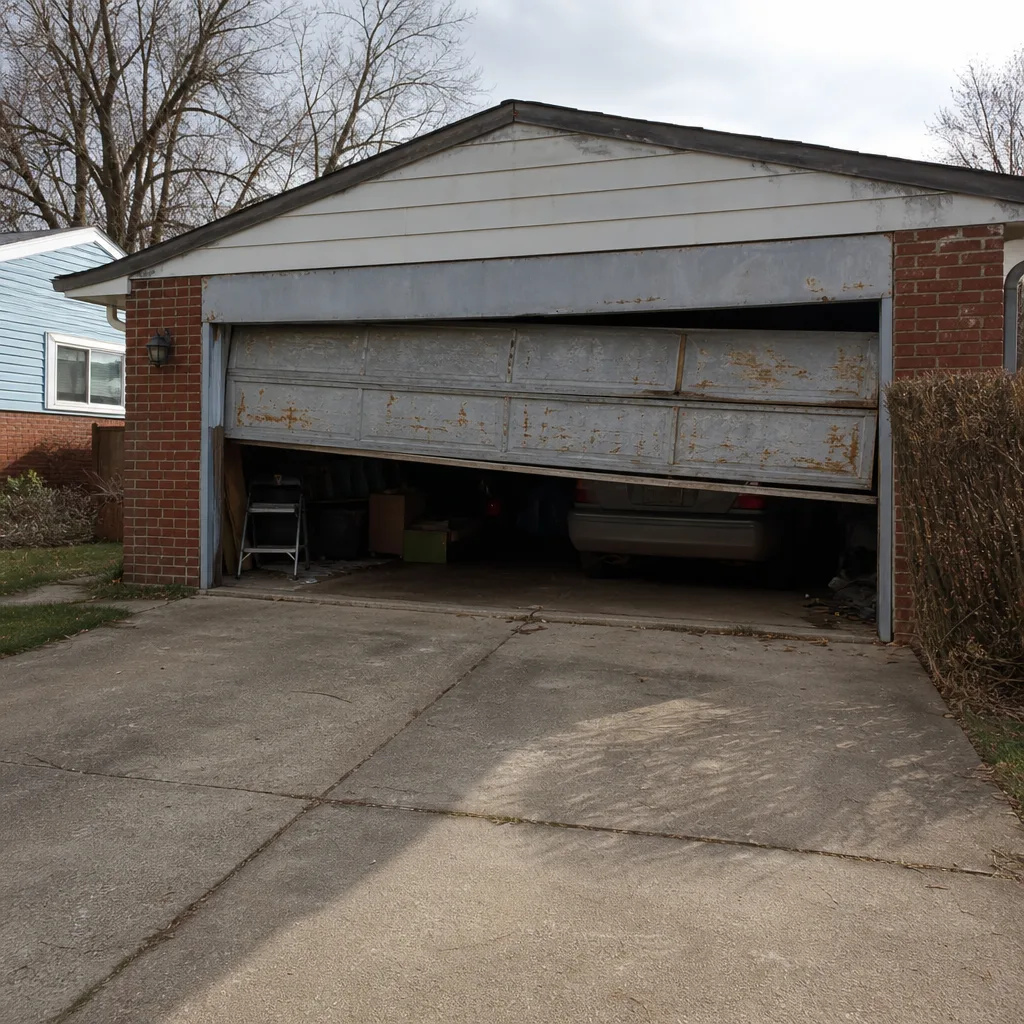 Before
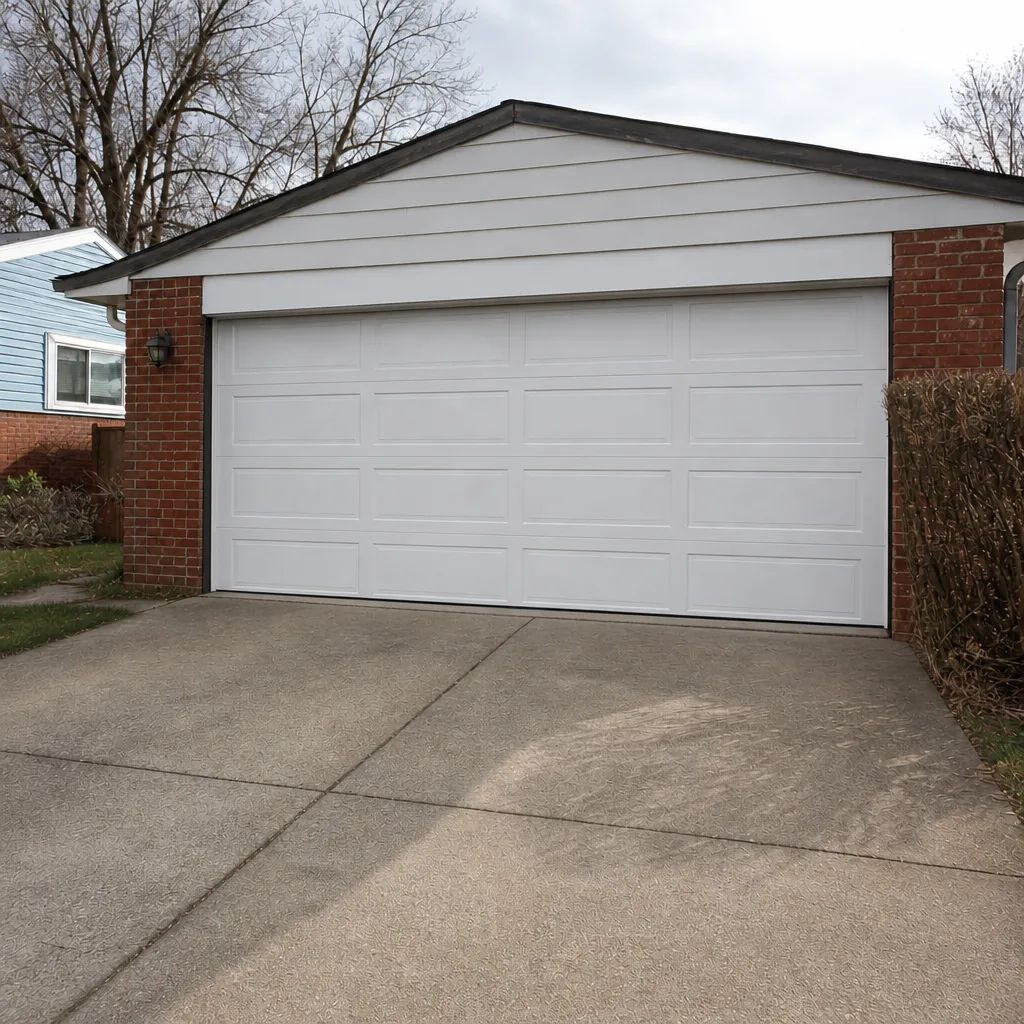 After
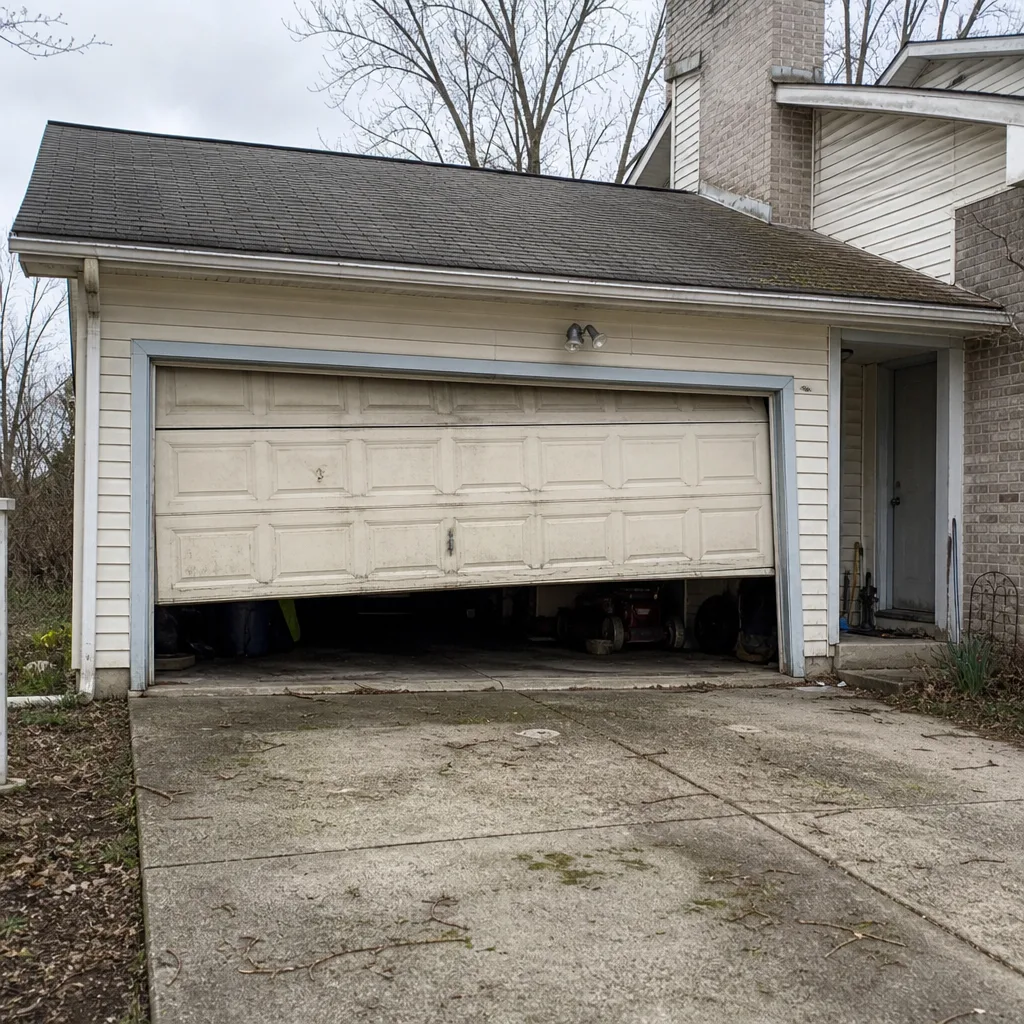 Before
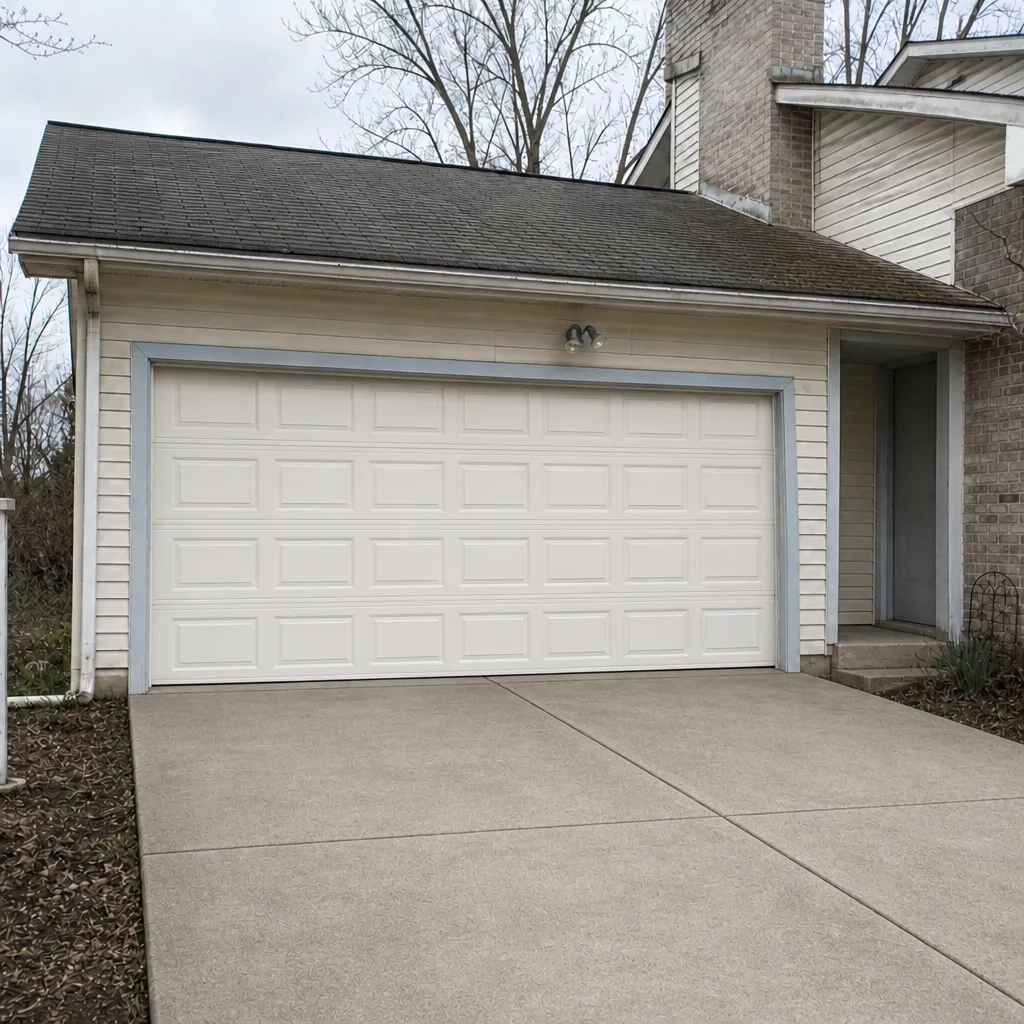 After
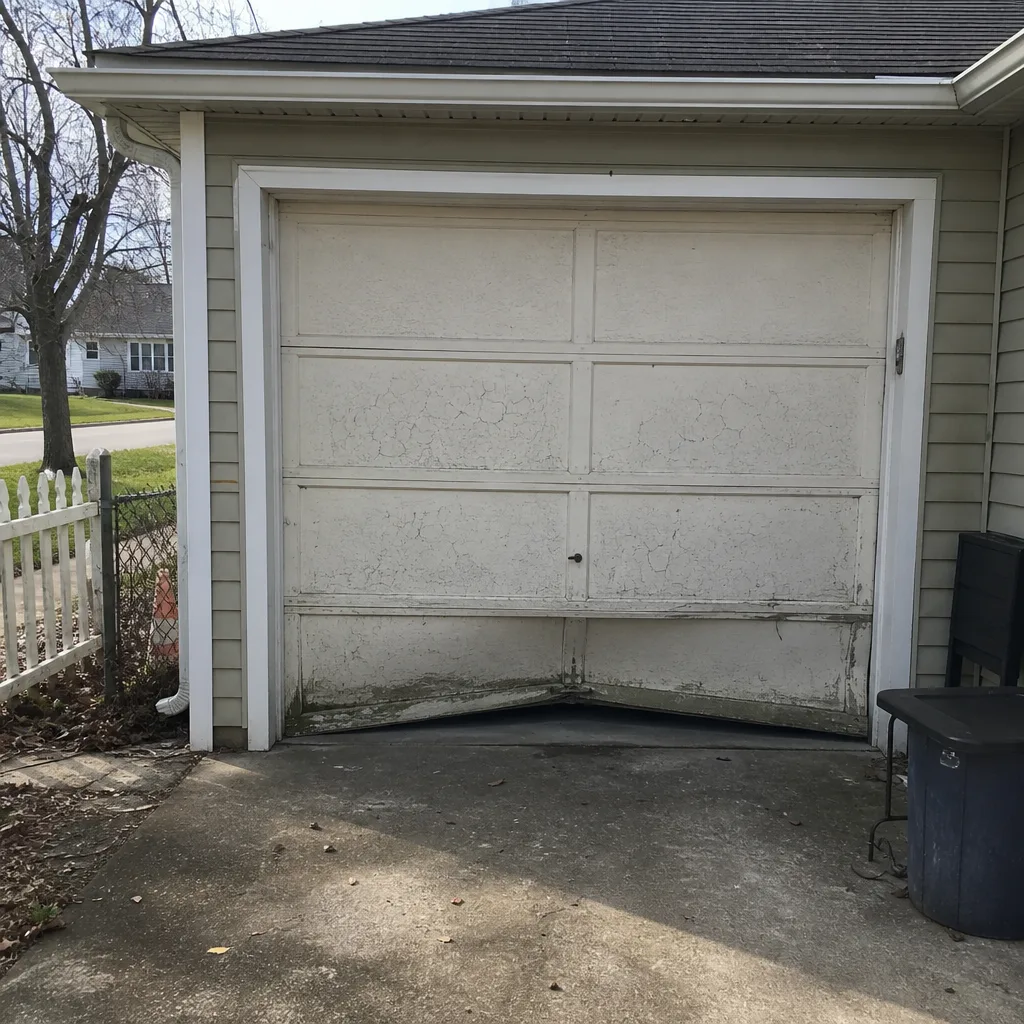 Before
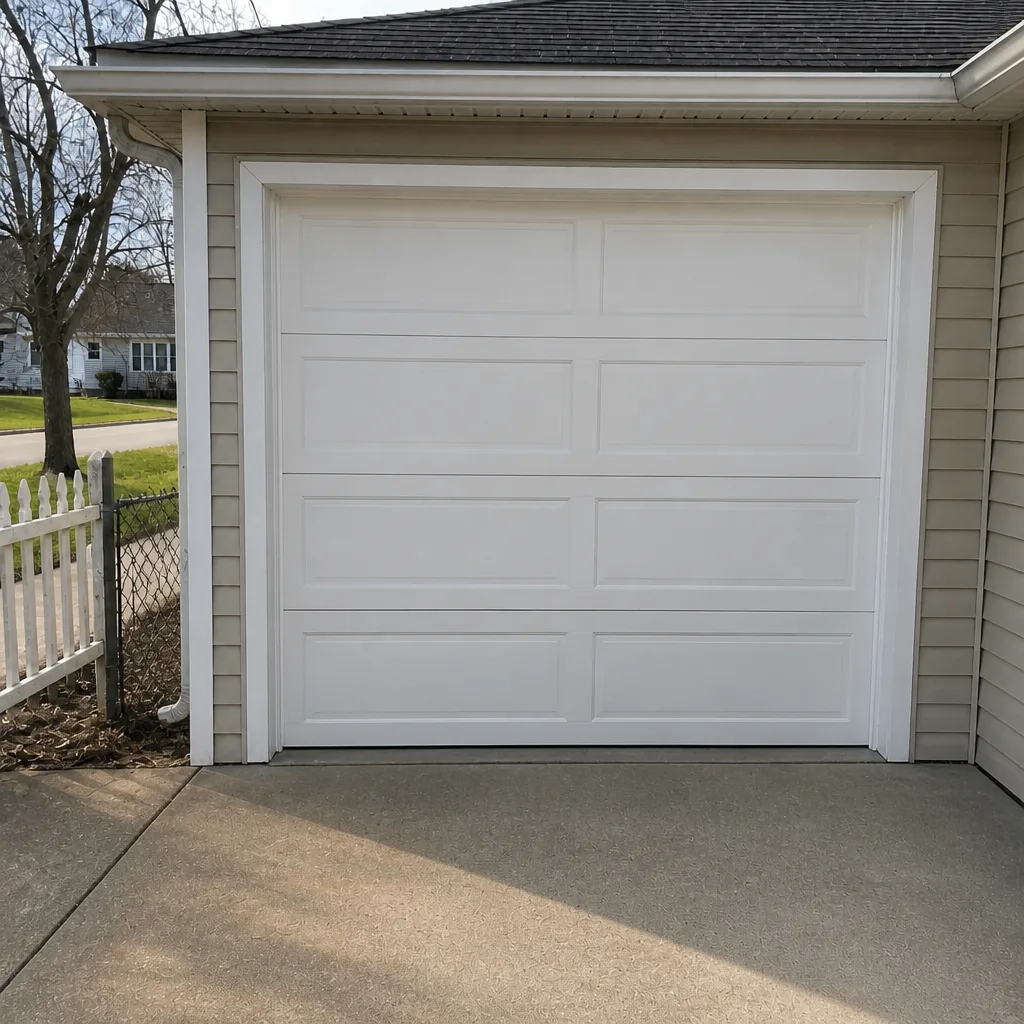 After
When to Call a Professional
Call a professional if the door won’t open, close, or stay closed. Call if the spring snaps, if the door hangs at an angle, if the cables look loose or slack, or if you hear a loud bang on opening. Call if the door reverses on its own, if the opener runs but the door doesn’t move, or if the door grinds on one side. Call if you see daylight under a closed door after a rain, or rust in the lower tracks. Call if any part of the door is under tension and you’re not sure what you’re looking at. The one thing we’d say about all of these: they don’t get better with neglect in Hamilton’s climate, and they often get worse in the next freeze-thaw cycle. Garage Door Repair Hamilton Pros offers free estimates in Hamilton. Call (844) 950-3607. We answer 24/7. Fast dispatch from 7am to 7pm, Sunday through Friday.
Frequently Asked Questions
The pre-freeze check in late October. That window is when summer fatigue meets the first cold snap, and it’s when most spring failures happen. A thorough pre-freeze check catches a tired spring, a compressed bottom seal, and a dry track before the freeze makes them fail. Getting that check right prevents most of the emergency calls we see in Hamilton. Call (844) 950-3607 to book a free estimate for a pre-freeze check.
You can safely clean the tracks and lubricate the hinges and rollers yourself. Anything involving the torsion spring, the cables, or the balance of the door requires a trained technician. Springs operate under extreme tension and this is the one area where a mistake can cause serious injury. When in doubt, call; a free estimate costs less than the risk.
A door that reverses partway down in Hamilton’s spring is usually rust-bound or seal-bound, not broken. The safety reverse senses extra resistance from a stiff track or a rotting bottom seal and sends the door back up. The fix is usually a new seal, cleaned and lubricated tracks, and fresh rollers. Call (844) 950-3607 for a free estimate if the door won’t stay down.
Heat is stressing the opener’s logic board. An uninsulated garage in Hamilton can get 20 degrees hotter than the outdoor high, and the control board inside older openers, including legacy Craftsman and Genie units, can behave erratically when it’s hot. It often works to fail completely if it isn’t checked. Call (844) 950-3607 for a free estimate before the unit gives out.
Look for cracks, stiff or brittle rubber, and any gap where daylight shows under the closed door. Run your hand along the seal; it should feel pliable, not hard or flaky. In Hamilton, a seal that’s starting to crack in October will likely fail by January. Replacing it before the freeze keeps water and snowmelt out of the lower tracks. Call (844) 950-3607 for a free estimate on a seal replacement.
We answer 24/7. A call outside dispatch hours is booked into the next opening, Sunday through Friday, 7am to 7pm. If your door won’t close or a car is trapped, it’s worth calling no matter when it fails, so the job is scheduled first thing. Call (844) 950-3607. We answer 24/7. Fast dispatch from 7am to 7pm, Sunday through Friday.
The Bottom Line
Hamilton’s seasons don’t stress a garage door equally. The damage concentrates in two windows: late October, when summer fatigue meets the first cold snap, and early March, when the thaw finds every weak seal and rusty track in the county. Get those two checks right, keep the moving parts lubricated, and understand that you can clean and lubricate but can’t touch a spring, and the door will mostly take care of itself. The rest of the year is observation and small fixes, not a constant maintenance program. When the door won’t open, close, or stay closed, call. Garage Door Repair Hamilton Pros offers free estimates in Hamilton. Call (844) 950-3607. We answer 24/7. Fast dispatch from 7am to 7pm, Sunday through Friday.
Planning a replacement instead of a repair? Our garage door installation service is the starting point. To understand the full range of work we cover, see Garage Door Repair Hamilton Pros, and our technicians have up to 8 years of experience with the major residential brands, including LiftMaster, Chamberlain, Genie, Clopay, Amarr, Wayne Dalton, Craftsman, and Raynor.
Written by the team at Garage Door Repair Hamilton Pros.