
Last updated November 23, 2026
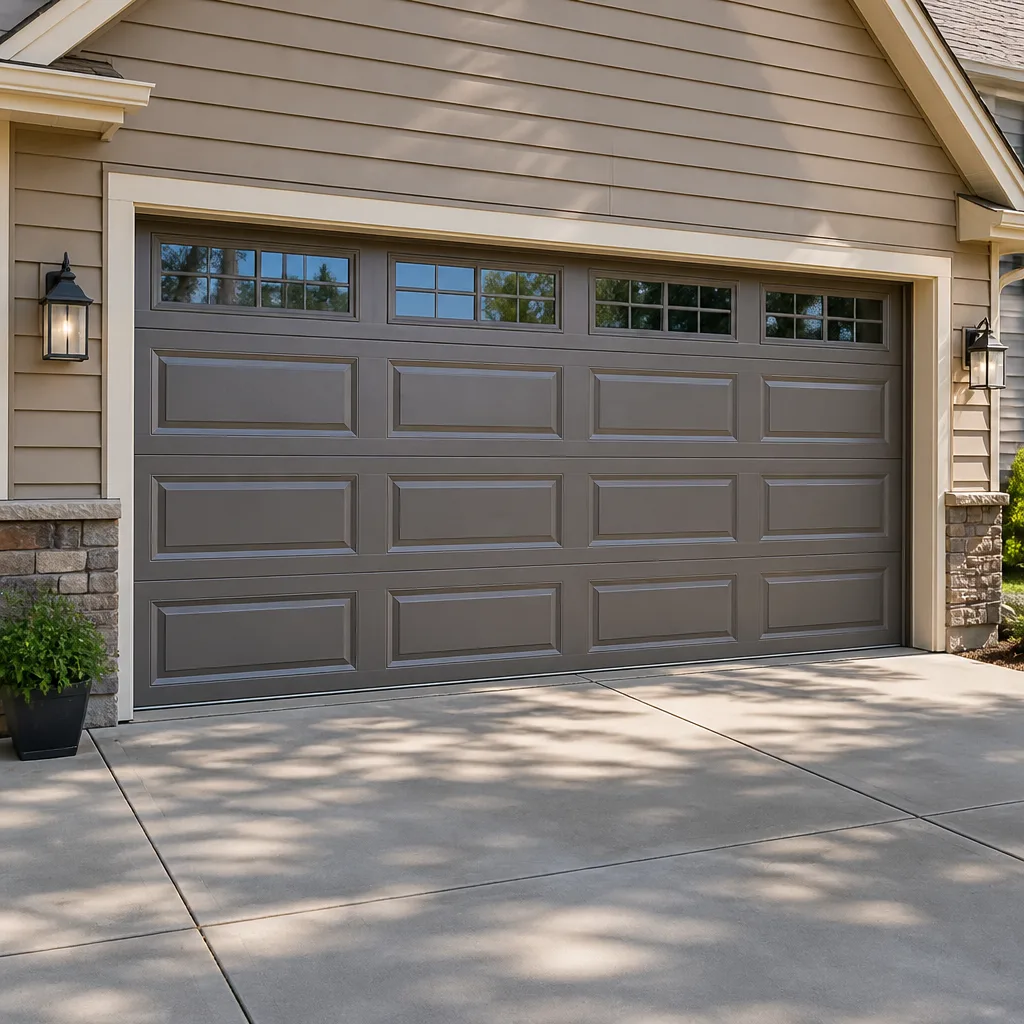 Raised-panel steel
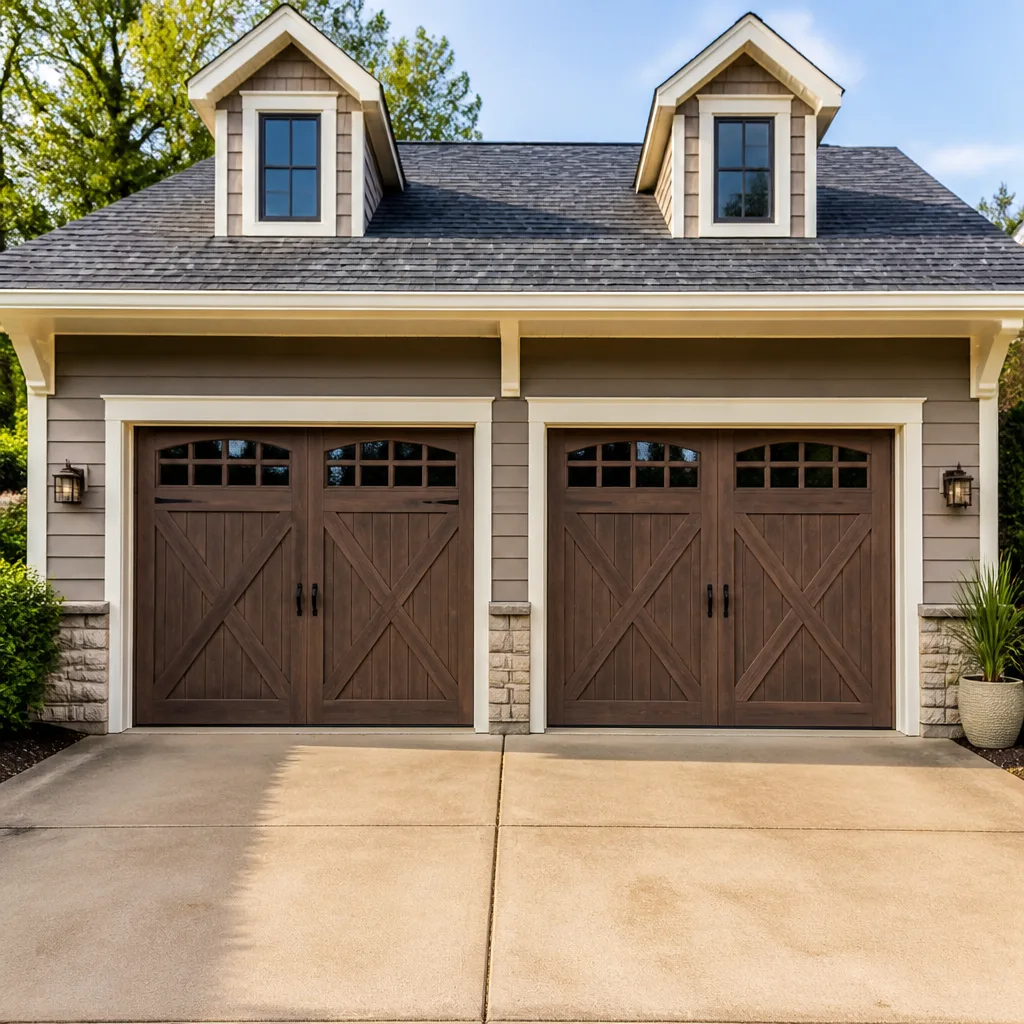 Carriage house
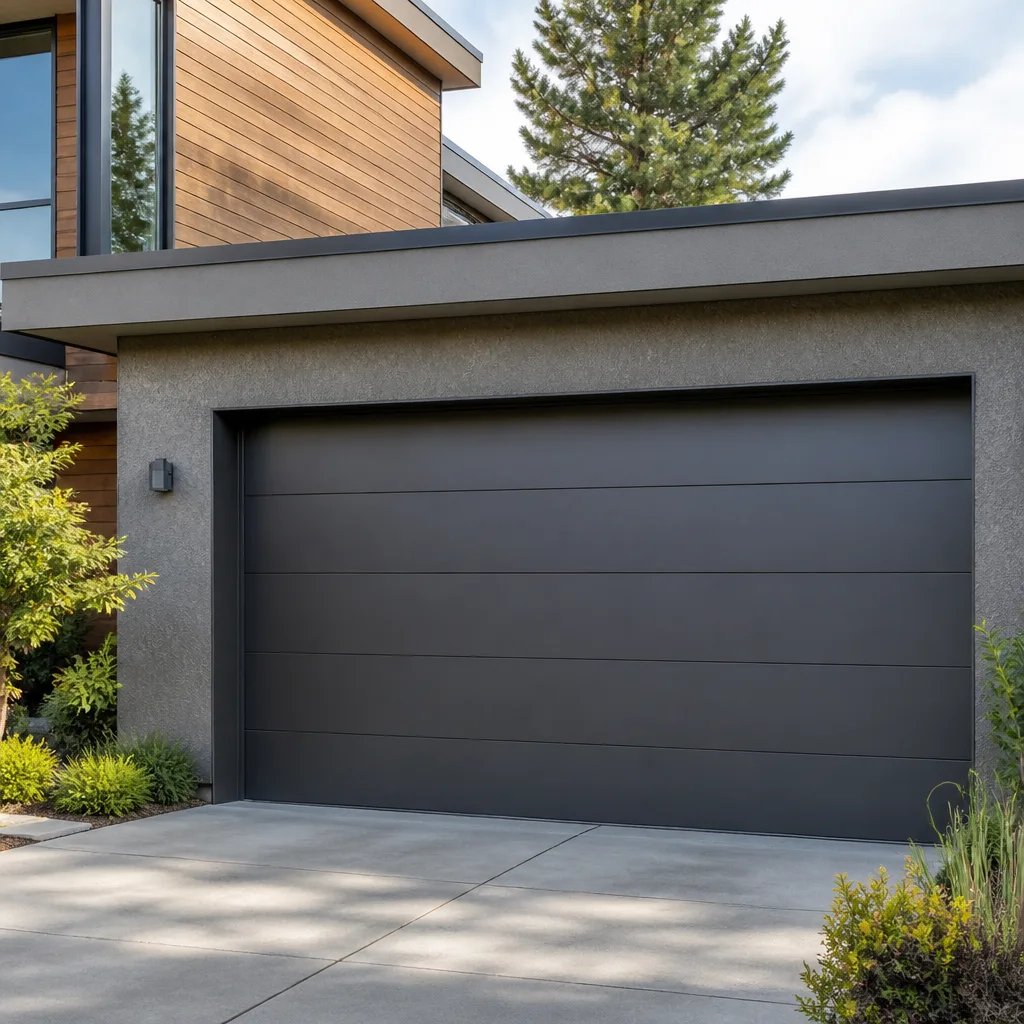 Modern flush
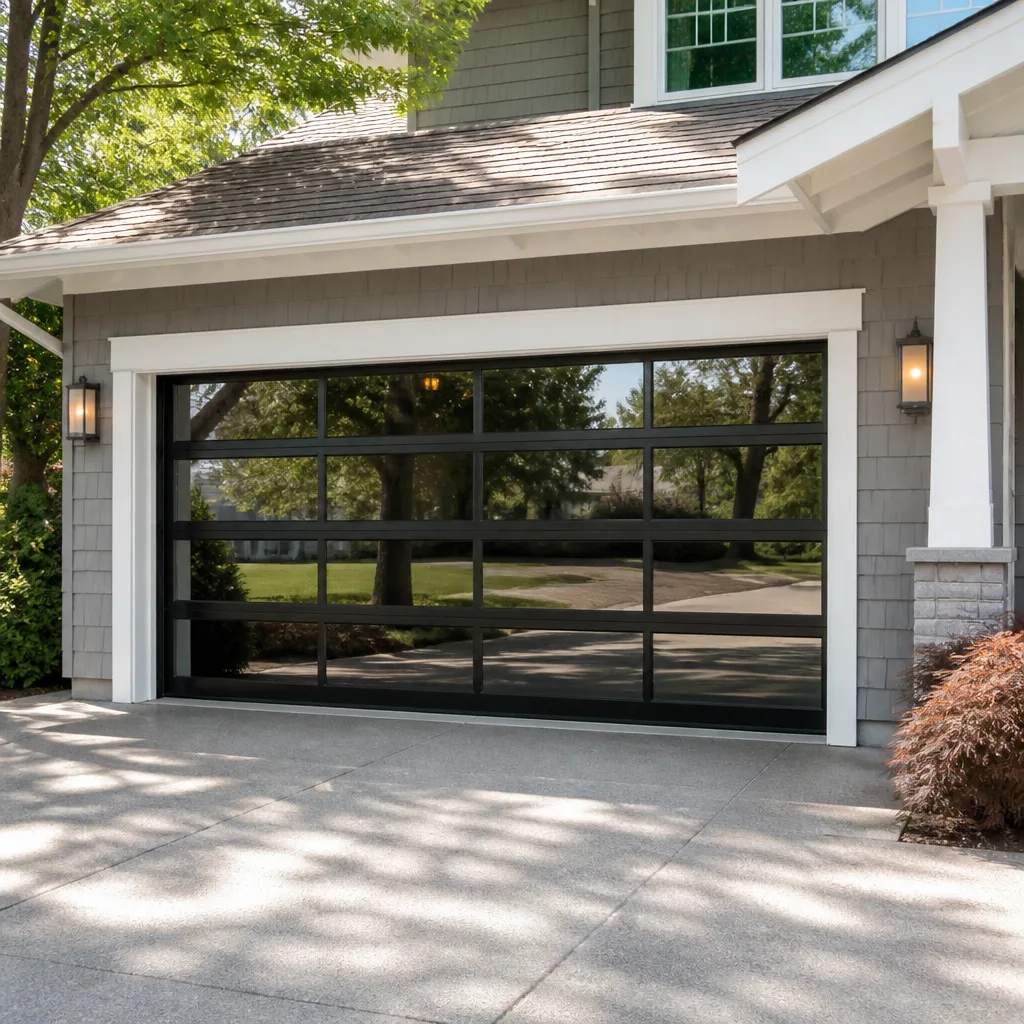 Full-view glass
 LiftMaster openers
 Chamberlain openers
Full 25-point door and opener safety check with every visit - springs, cables, rollers, tracks, and your LiftMaster or Chamberlain opener included
You get a price before we start. It does not change when the pro arrives.
Get your free estimateGarage Door Warning Signs: A Hamilton Homeowner’s Reference Guide
A grinding noise on the way up is a different problem than a grinding noise on the way down. Most warning-sign checklists lump “grinding” into a single line, which leaves you unable to tell a worn opener gear from a track that’s binding against a roller. That distinction matters, because one gives you weeks and the other gives you days. This reference guide names every symptom precisely, groups them by how you actually notice them (sound, sight, feel, timing), explains the mechanical cause behind each one, and estimates how long you have before the symptom turns into an emergency. We’ve built it for Hamilton homeowners who depend on the garage as their main entry and can’t afford a door that quits on a cold morning.
Quick Answer
Most garage door warning signs fall into four groups: sounds that are new or louder than they were, visible changes like sagging panels, crooked travel, or worn rollers, changes in how the door feels when you lift it by hand, and timing problems such as hesitation, reversal, or slow response. A handful of these (a snapped torsion spring, a door that comes off its track, a cable hanging loose) mean stop using the door today and call a professional. The rest are mechanical wear you can monitor, though most should be looked at within a few weeks rather than months. We answer 24/7 at (844) 950-3607 when something tells you to stop running the door.
Styles & brands we work with
- Raised-panel steel
- Carriage house
- Modern flush
- Full-view glass
- LiftMaster openers
- Chamberlain openers
Table of Contents
- Warning Signs You Hear: Sound Symptoms
- Warning Signs You See: Visual Symptoms
- Warning Signs You Feel: Touch and Balance Symptoms
- Warning Signs in Timing and Motion
- Which Warnings Are Winter-Cold Problems in Hamilton?
- How Long Do You Have? Time-to-Failure Estimates
- Opener-Specific Warning Signs
- Quick Reference Table
Warning Signs You Hear: Sound Symptoms
Sound is usually the first thing a homeowner notices, and it’s also where most guides stop being useful. Where you hear a noise matters as much as what it sounds like. Listen for three things: when in the cycle it happens (opening versus closing), where it comes from (overhead, at the opener unit, or along the floor where the door meets the threshold), and whether it’s getting louder over successive cycles.
A sharp bang from above the door, followed by a door that won’t stay up, is a torsion spring failure. That’s the most common sudden noise in any garage, and it’s the one component you should never touch yourself. The springs hold enormous stored tension, and a release can cause serious injury. Our technicians handle spring work; it’s the most dangerous component in any garage door system.
Here’s how to read the rest:
- Grinding on the way up: a dry or worn torsion spring, or a roller binding against the track. Second most likely: a worn opener gear, especially on older Genie and Craftsman units.
- Grinding on the way down: usually a track that has shifted out of alignment or a bent section catching the door as it descends.
- Rattling throughout the cycle: loose hinge bolts, worn rollers, or a panel’s fastener backing out. Progressively, a rattle can turn into a binding panel.
- A scraping noise from the floor line: a bottom seal dragging, or a door that has settled and is now out of square.
- Clicking from the opener housing: a worn drive gear, most often on older units. LiftMaster and Chamberlain models are usually identifiable by the housing shape before we even open the cover.
The urgency driver is a grinding noise from the springs: that’s spring wear and it gets worse fast. A rattle can go weeks. We’ve listened to door failures in Hamilton from every angle, and the pattern is consistent.
Warning Signs You See: Visual Symptoms
Visually, a healthy garage door should look horizontal, even, and calm. What you’re watching for is any change from that baseline: a panel that looks slightly out of line, a gap on one side that wasn’t there, a roller that’s wobbling in its bracket, or a cable that’s lost its even lay across the drum.
The most important visual check is the door in the closed position. Stand outside. Is the gap between the door and the floor even all the way across? If one side shows daylight and the other doesn’t, the door is out of balance, and either a spring, a cable, or a track has shifted. That’s a stop-and-call image, not a tighten-the-bolt image.
Other things to look at:
- Cable loose or off the drum: urgent. A cable under tension that slips can whip, and the door can drop.
- Sagging panels or visible bowing: the door has lost stiffening, often after repeated impact or cold-weather stress. Replacing a panel is usually cheaper than replacing the door, but the door may not be safely operable in the meantime.
- Worn rollers: nylon rollers yellow and flat-spot; steel rollers grind. Both are cheap to replace and cheap to ignore until they wear the track.
- Rust or grease streaks along the track: the track is no longer a clean bearing surface, so the rollers are working harder. Small issue, easy to fix.
- Loose hinges or brackets: you’ll see a slightly rotated hinge plate or a gap under a bracket. Loose hinges put more load on the panel and the opener.
- A crooked door in the up position: usually the door has come slightly off its track on one side, and that’s an immediate stop.
In Hamilton, our older neighborhoods have plenty of doors that were installed decades before the current crop, and those are often the ones where wear hides behind paint.
Warning Signs You Feel: Touch and Balance Symptoms
Touch is the sense homeowners use least and probably should use most, because it can answer “is this safe to keep using?” faster than anything else.
The simplest test: with the door fully closed and the opener disconnected (most openers have a manual release cord), lift the door by hand halfway and let it go. A properly balanced door should stay roughly where you left it. A door that falls back down under its own weight has lost spring tension. A door that’s hard to lift early and then suddenly easy has a spring that’s snapped or a cable that’s slack.
“Feel” warnings also show up like this:
- Resistance in one spot in the travel: a binding roller, a track dent, or a hinge starting to seize. When the opener has to push through resistance, it wears faster.
- A door that feels loose or shuddery: a hinge bolt has backed out, or the door is out of balance and the opener is compensating. Both lead to premature opener failure.
- A “soft” bounce when the door reaches the floor: the bottom seal has compressed and stopped doing its job. That’s a weather-seal problem, not a structural one, but it lets cold air and water into a Hamilton garage all winter.
- A slight wobble you can feel at the opener housing: the opener is absorbing door imbalance it shouldn’t be absorbing. Left alone, this is what turns into a dead opener.
If a hand test tells you the door won’t stay up, stop testing. That’s a spring problem, and it’s a job for a trained professional. Don’t try to adjust a torsion spring or cable yourself; the stored energy in those parts is the reason this is the injury-heavy part of the trade.
Warning Signs in Timing and Motion
Timing changes are the subtlest category, and homeowners often describe them in the vaguest language: “it seems slower,” “it hesitates,” “it doesn’t always go all the way down.” Each of those is a different mechanical story.
Watch for:
- The door reverses back up on the way down without touching anything. A safety sensor is misaligned or the door is running into resistance. Standard practice is to clear the path and check the sensor alignment eye-to-eye; if the door still reverses, stop and call.
- The door stops halfway up or down. Usually the opener’s travel setting or the door has bound on the track. Running a door that stops mid-cycle is running a door against resistance, which wears out the opener faster than anything else.
- Opener runs but the door doesn’t move (or moves slowly). Stripped gear, worn drive belt, or a broken spring carrying the load unequally.
- The door no longer stays down when you close it. Sensors or travel limits, sometimes combined with a worn bottom seal. For a Hamilton home, this is also a security question, since it’s a primary entry.
- A one-second hesitation at the start of travel. The most underreported warning sign we hear. It usually means the opener’s capacitor or drive is beginning to wear, which is why brand familiarity matters: a LiftMaster or Chamberlain hesitation often points to a different fix than on a Genie or Raynor of the same age.
- The remote responds only up close. Weak battery first, then antenna or logic board, in that order.
Timing problems are rarely about the door itself, which is why they’re classified separately.
Which Warnings Are Winter-Cold Problems in Hamilton?
Hamilton winters do real work on garage doors, and some warnings show up only in cold weather. Knowing which is which saves you from paying for a repair that isn’t needed, and it helps you decide what to fix before winter rather than in January.
Cold-season warning signs:
- Slower or stiffer travel on the first few cycles of a cold morning. Lubricants thicken, and steel bind slightly. If it smooths out in five minutes, it’s cold-related. If it doesn’t, it’s a wear sign that the cold is just making visible.
- Squeaks that appear in winter and fade in spring. Dry rollers and hinges. A basic lubrication routine handles this.
- A door that won’t close fully on a cold day. The bottom seal is stiff and the safety sensor reads the resistance as an obstruction. The seal wears out; the fix is the seal.
- Frozen door-to-floor contact. Meltwater from a car, then a hard freeze, bonds the bottom seal to the slab. Don’t run the opener against it; break the bond by hand first.
- Remote fob failing in cold only. Battery performance drops in low temperatures. Replace the battery before diagnosing anything else.
Year-round mechanical failures include worn rollers, stretched or worn springs, off-track doors, dead openers, and bent panels. Those aren’t about Hamilton weather at all; they’re about age and cycles. Our technicians have up to 8 years of experience across both types, and it’s a different diagnosis for each.
How Long Do You Have? Time-to-Failure Estimates
This is the section that turns a warning-sign guide into something you can act on. The estimates below are honest, typical windows for a residential door, not guaranteed timelines. The trend matters most: anything getting worse cycle-to-cycle has a shorter timeline than the same symptom that’s been stable for months.
Categories:
Stop using the door today
- Snapped torsion spring (sharp bang, door won’t stay up). The door is unsafe because it can drop.
- Cable off the drum, hanging, or visibly frayed.
- Door off its track or visibly crooked in the up position.
- A door that reverses without obstruction on repeated cycles.
- Severe sagging or a panel bowing under load.
These are the situations where a call now prevents the next problem. We answer 24/7 at (844) 950-3607 for exactly this.
Look at it within weeks
- Grinding on the way up (spring wear) or down (track or binding).
- A one-second hesitation at the start of travel.
- Heavy or worsening resistance in one spot of the travel.
- Worn or flat-spotted rollers with a rattle that’s getting louder.
Schedule before winter or on the next convenient call
- Cold-only squeaks and stiffness.
- Aging bottom seal.
- Remote range degradation with a new battery.
- Loose hinge bolts and cosmetic rust.
For anything in the top two tiers, we recommend not running the door as a security device: use the manual release or a side entry instead.
Opener-Specific Warning Signs
Openers fail differently from doors, and the brand tells you a lot about how. We’re factory-familiar with LiftMaster, Chamberlain, Genie, Clopay, Amarr, Wayne Dalton, Craftsman, and Raynor, so the technician usually arrives already knowing what to look for on your unit.
Common opener warning signs:
- Clicking then nothing. On Craftsman and Genie units, this is often the logic board or a worn gear; on newer LiftMaster and Chamberlain units, it’s frequently a safety sensor or a capacitor.
- Opener runs, door doesn’t move. The drive gear or belt has worn out. Belt-driven units fail more quietly, so listen for changes in the run sound rather than looking for damage.
- Opener strains and shuts off after a short cycle. The opener is fighting door resistance. That’s usually a door symptom showing up at the opener; the two have to be fixed together.
- Wall button works, remotes don’t, or the reverse. Remote batteries first, then the radio receiver or antenna.
- Random openings and closings. Interference or a failing logic board; either way it needs diagnosis, and it isn’t safe to leave alone.
- App or Wi-Fi dropouts on smart units. MyQ-compatible units (LiftMaster and Chamberlain) are prone to router or network-config issues rather than hardware. Familiarity with the brand saves a visit.
For deeper coverage on this, see our page on garage door opener repair.
Quick Reference Table
Print this section or photograph it and keep it on the garage wall. It’s built to be read in 30 seconds when a door is doing something strange.
| Symptom | Sense | Likely Cause | Second Cause | Urgency |
|---|---|---|---|---|
| Sharp bang, door won’t stay up | Sound | Snapped torsion spring | Cable failure | Stop using today |
| Grinding on the way up | Sound | Dry or worn spring | Worn opener gear | Weeks |
| Grinding on the way down | Sound | Track misalignment | Bent track section | Weeks |
| Rattle through the cycle | Sound | Loose hinges | Worn rollers | Weeks (faster if louder) |
| Scraping at the floor line | Sound | Worn bottom seal | Door out of square | Before winter |
| Cable slack or off drum | Sight | Cable failure | Spring imbalance | Stop using today |
| Sagging panel or visible bow | Sight | Structural wear | Impact damage | Stop using today |
| Door crooked in up position | Sight | Off track on one side | Broken roller | Stop using today |
| Crooked gap at the floor when closed | Sight/Feel | Spring imbalance | Cable or track shift | Stop using today |
| Door won’t stay halfway when lifted by hand | Feel | Lost spring tension | Cable slack | Call before next cycle |
| Resistance in one spot | Feel | Binding roller | Track dent | Weeks |
| One-second hesitation at start | Timing | Worn drive gear | Failing capacitor | Weeks |
| Reverses with no obstruction | Timing | Sensor misalignment | Obstruction reading | Diagnose now |
| Stops mid-travel | Timing | Travel limit | Door binding | Weeks |
| Cold-only squeaks and stiffness | All | Thickened lubricant | Dry rollers/hinges | Before winter |
| Remote range drops | Timing | Battery | Receiver or antenna | Low, unless in reverse |
Symptoms listed here map directly to how we diagnose a door in Hamilton, and they’re consistent across brands like LiftMaster, Chamberlain, Genie, and Raynor.
Common Mistakes to Avoid
- Assuming all grinding is one problem. The sound on the way up is a different mechanical story than on the way down. Note which direction it happens in before you call; it changes the diagnosis.
- Tightening and re-tightening a loose hinge bolt. If a hinge keeps loosening, the panel under it is flexing. Tightening a symptom just delays fixing the cause.
- Trying to adjust the spring or cable yourself. Springs and cables hold stored tension, and a slip can cause serious injury. This is the one rule we don’t bend. Spring work isn’t a DIY job in a Hamilton garage any more than anywhere else.
- Ignoring the hesitation. A door that hesitates for a second before moving usually has weeks, not months, before the opener fails. The cheapest repair happens when you first notice it.
- Running the door against resistance to “see if it clears.” Each cycle against resistance wears down the opener faster than a quiet fix does. If it stops or reverses, stop running it.
- Calling two or three trades separately. A door problem often involves the door, springs, and opener together. One company covering all three means the second diagnosis doesn’t contradict the first.
- Deferring the bottom seal to save the cost. In Hamilton, a worn seal lets snow melt and cold air under multiple times a cycle, and it triggers the safety sensor into false obstructions in winter. It’s a small fix that prevents a bigger seasonal headache.
See the difference
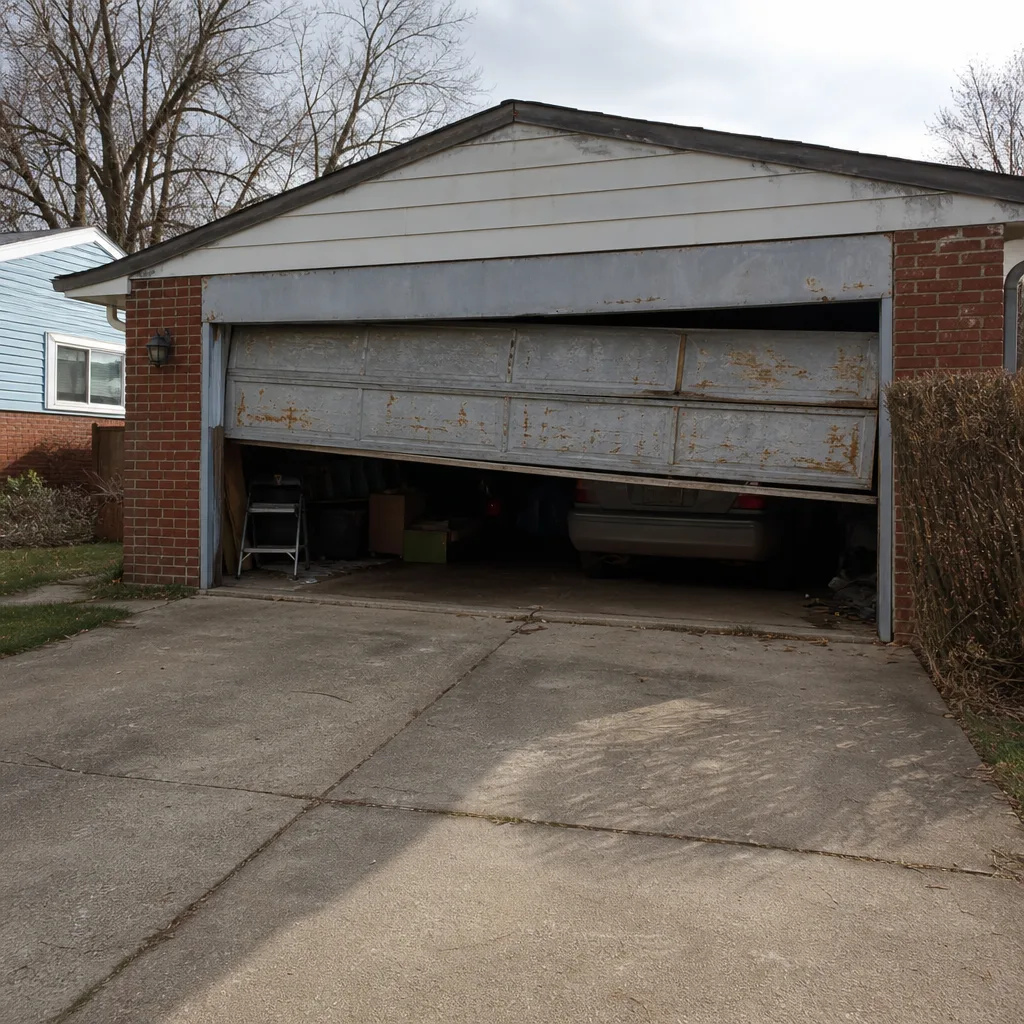 Before
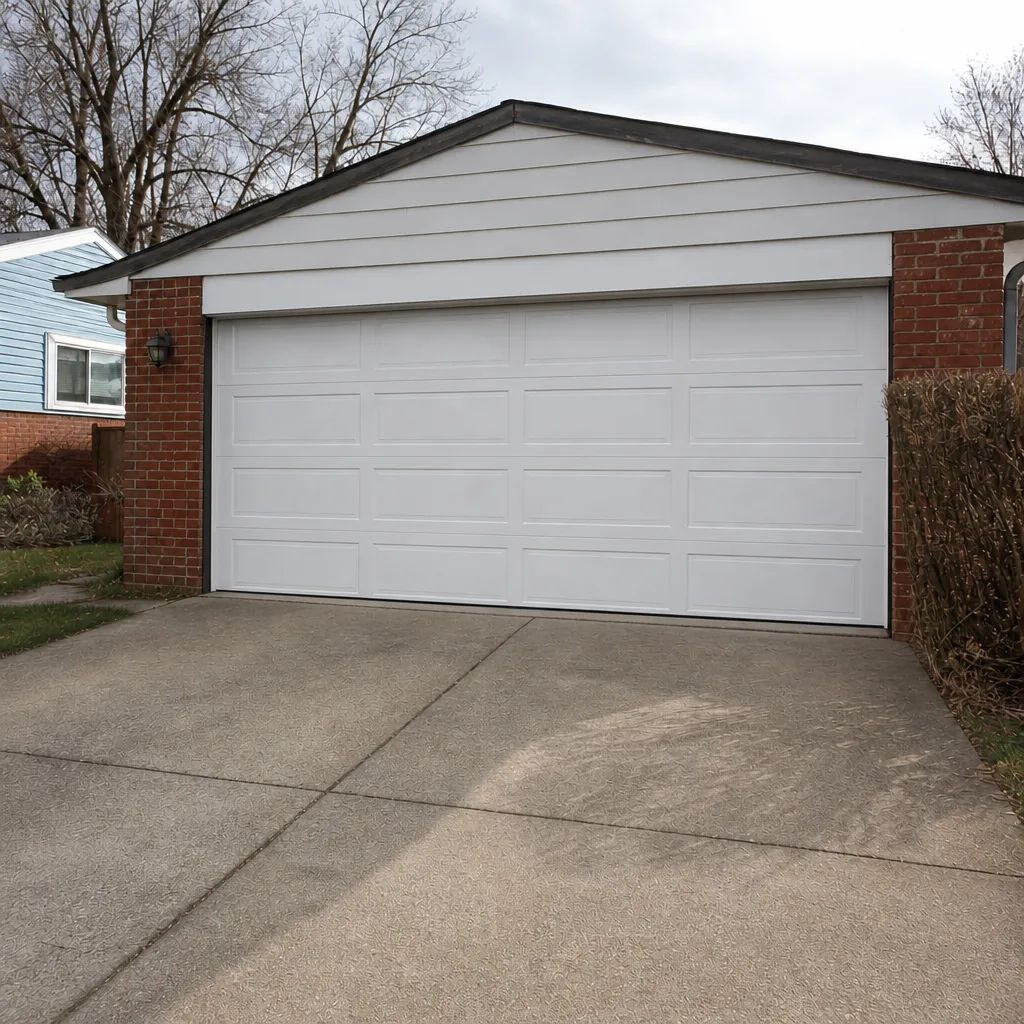 After
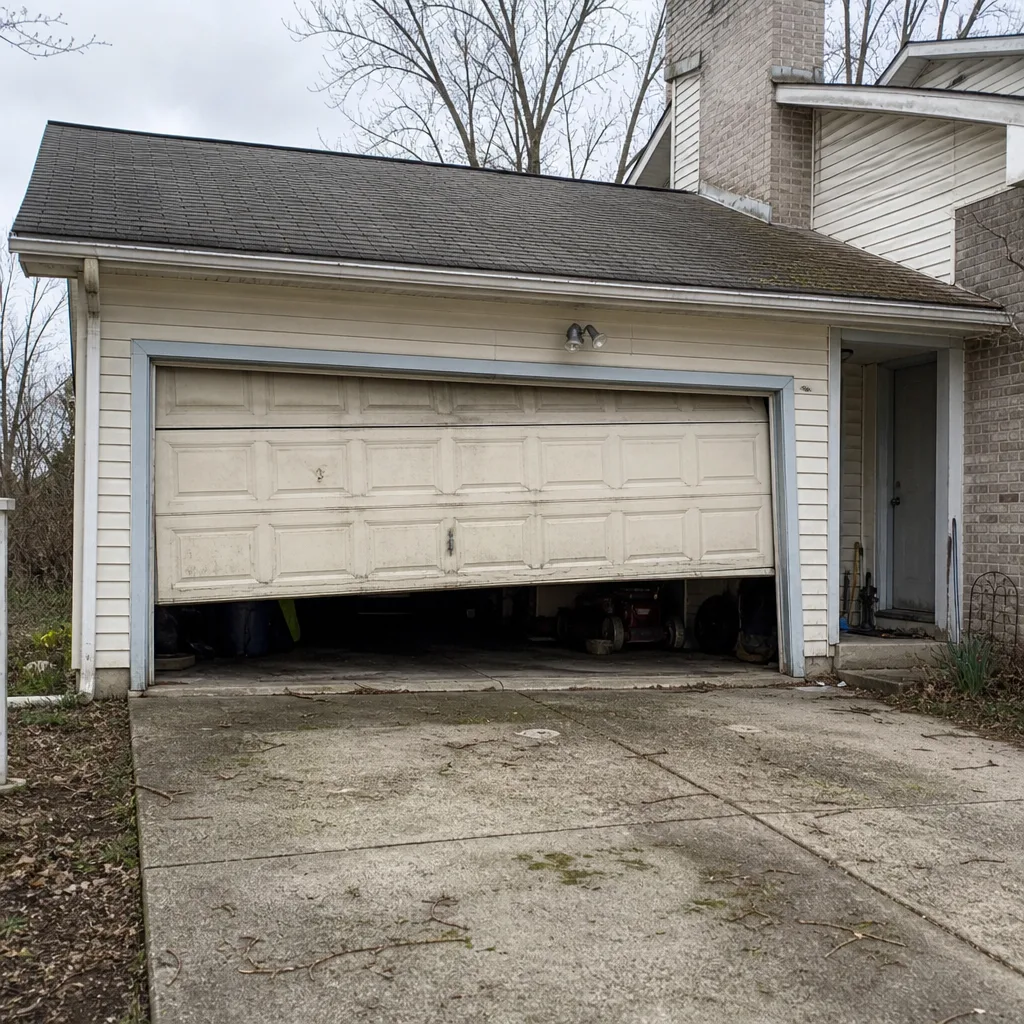 Before
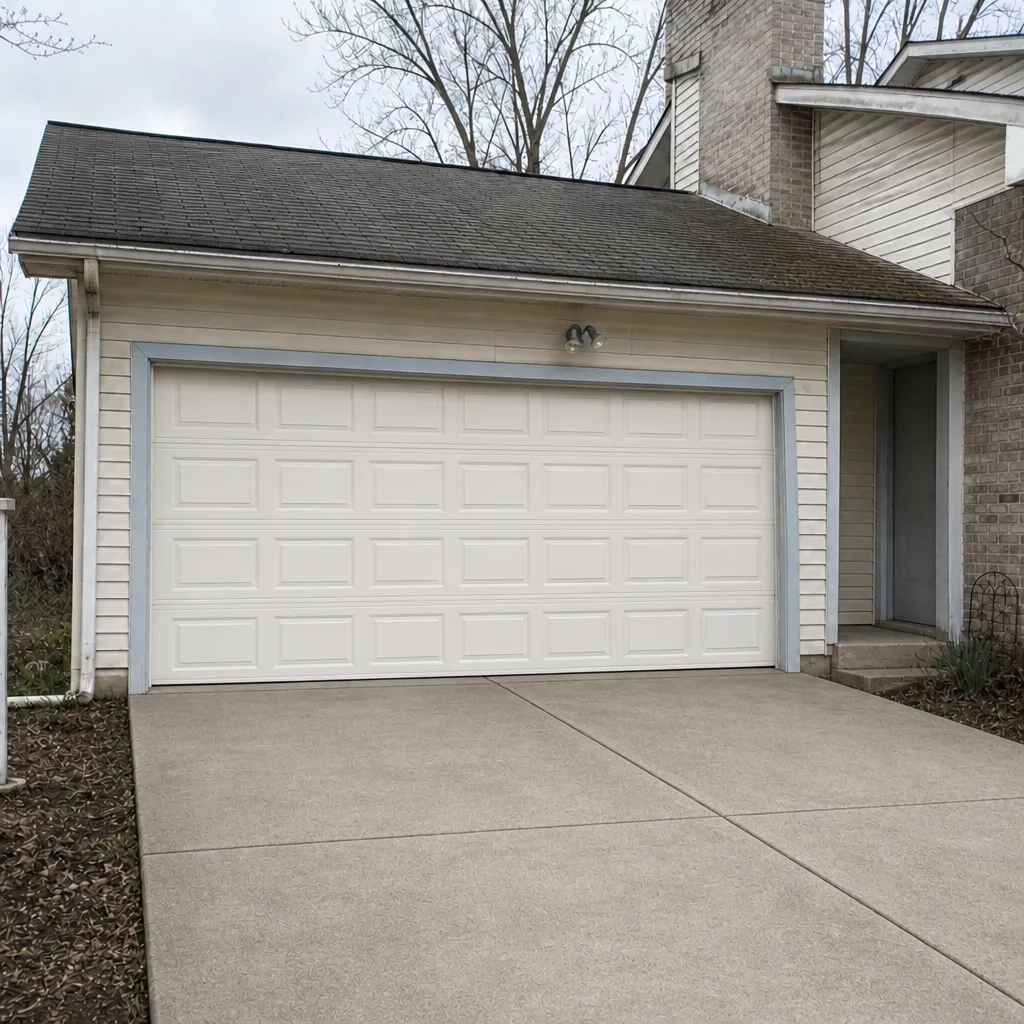 After
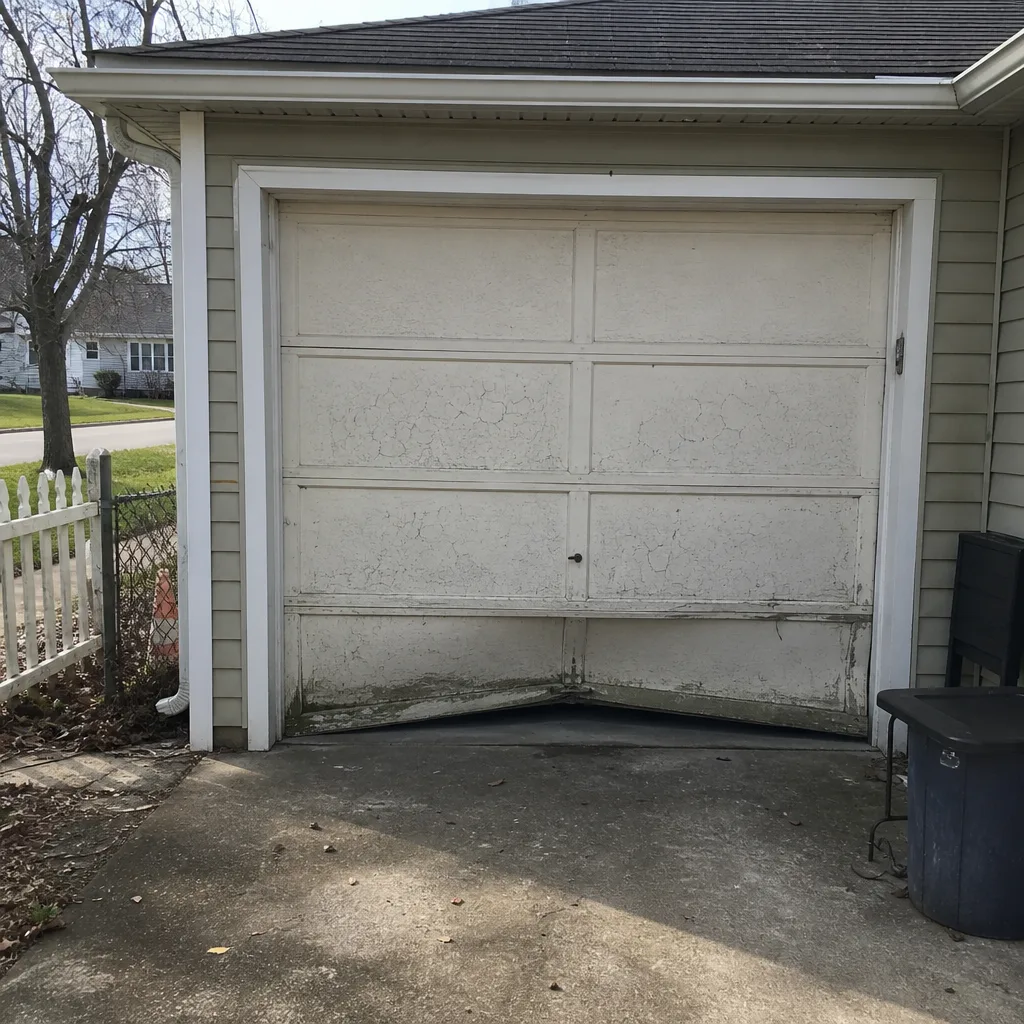 Before
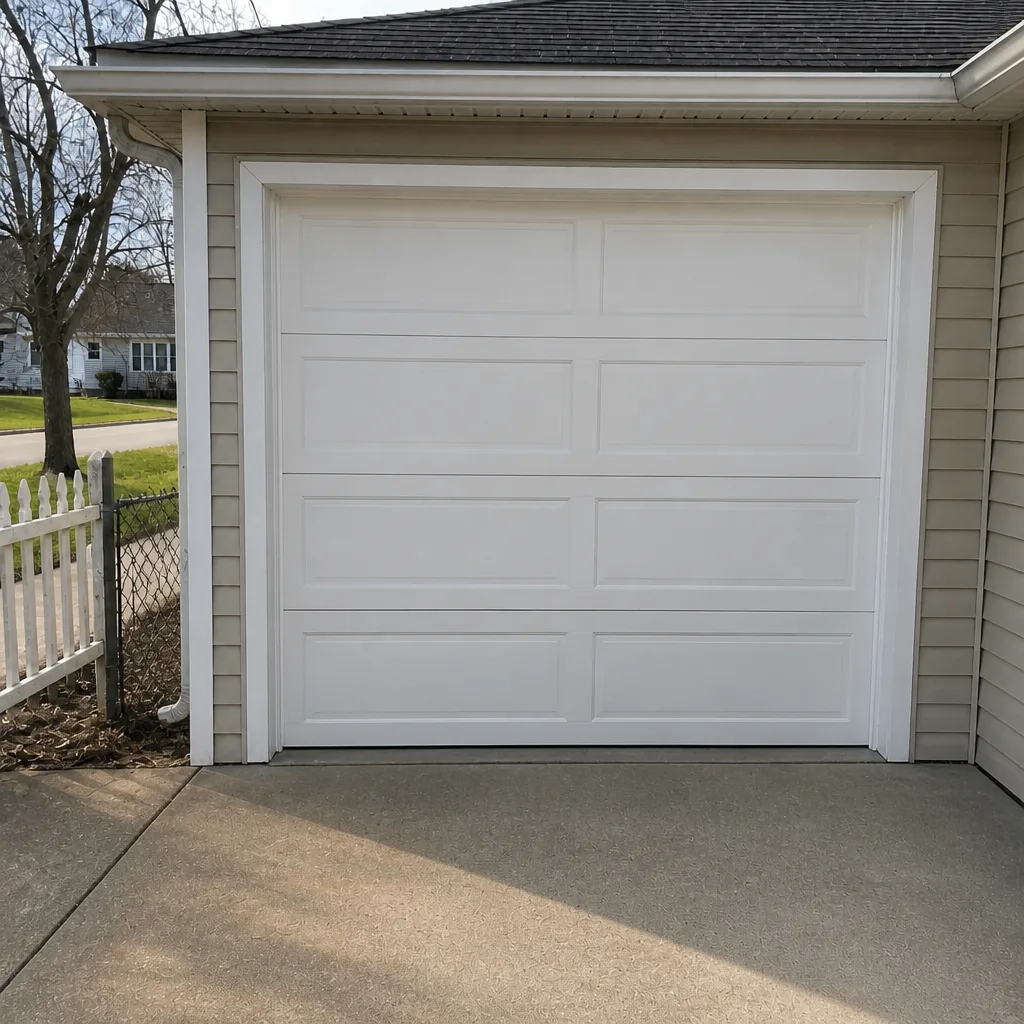 After
When to Call a Professional
Call a professional the moment you see a snapped spring, a loose or frayed cable, a door off its track, or a door that reverses on repeated cycles without obstruction. Those are the “stop using the door” cases, and we take them as emergency responses, not routine appointments. Call if the door won’t stay up when lifted by hand, if the opener runs without moving the door, or if a hesitation becomes a momentary stall. Also call if the door has done any of these and you’re not sure how urgent it is: a short chat about the symptom usually settles it. Garage Door Repair Hamilton Pros offers free estimates in Hamilton – call (844) 950-3607. We answer 24/7. Fast dispatch from 7am to 7pm, Sunday through Friday. The price is set per job by a written estimate, agreed before any work starts.
Frequently Asked Questions
The most reported are grinding on the way up or down, a rattle through the cycle, cold-weather squeaks, a one-second hesitation at the start, and a door that reverses without obstruction. In Hamilton, the seasonal split matters: some of those are cold-induced and some are wear, and they call for different fixes. Call (844) 950-3607 for an exact quote; estimates are free.
Stop using the door today if you hear a sharp bang followed by a door that won’t stay up, see a cable loose off the drum, see the door crooked or off its track, or watch it reverse without obstruction on repeated cycles. Those are the safety cases, and the door shouldn’t run again until it’s been seen. We answer 24/7 at (844) 950-3607.
No. A broken torsion spring leaves the door unweighted, and it will drop or come down fast under its own weight. Don’t force the opener either; it will burn out or fail in a way that costs more than the spring repair. If the door won’t stay up when lifted by hand, stop and call.
Yes, and it’s worth knowing which is which. Hamilton winters stiffen lubricants, dry out rollers, and stiffen bottom seals, which produces squeaks, slow first cycles, and false obstructions at the sensor. Year-round mechanical failures (worn springs, off-track doors, worn rollers) aren’t temperature-driven. Call (844) 950-3607 for an exact quote; estimates are free.
Usually a few weeks if the noise is on the way down and comes from the track or rollers; less, sometimes days, if the grinding points to spring wear. The trend matters most: anything getting louder each cycle shortens that timeline. Call us at (844) 950-3607 to talk it through for free.
No. The written estimate you agree to is the price, and the price is set per job before any work starts. A technician may find a related problem once the door is open, but that becomes a separate line in a revised estimate you accept before it’s done. We answer 24/7 and provide free estimates; call (844) 950-3607.
The Bottom Line
Garage door warning signs are almost never dramatic. A hesitation, a sound that wasn’t there last month, a crooked gap at the floor: those are the door telling you what’s wearing out, and it does so before it fails. The practical rule is: react to the sense you noticed it with (grinding, gap, resistance, reversal) rather than treating every symptom the same, and treat the stop-using-it-today list as a hard line. Everything else, you have weeks. If a door in Hamilton has you unsure which tier you’re in, call us. We answer 24/7 at (844) 950-3607; dispatch runs 7am to 7pm, Sunday through Friday. For a full view of what we handle, start with Garage Door Repair Hamilton Pros, garage door repair, and for new doors, garage door installation.
Written by the team at Garage Door Repair Hamilton Pros.