
Last updated November 23, 2026
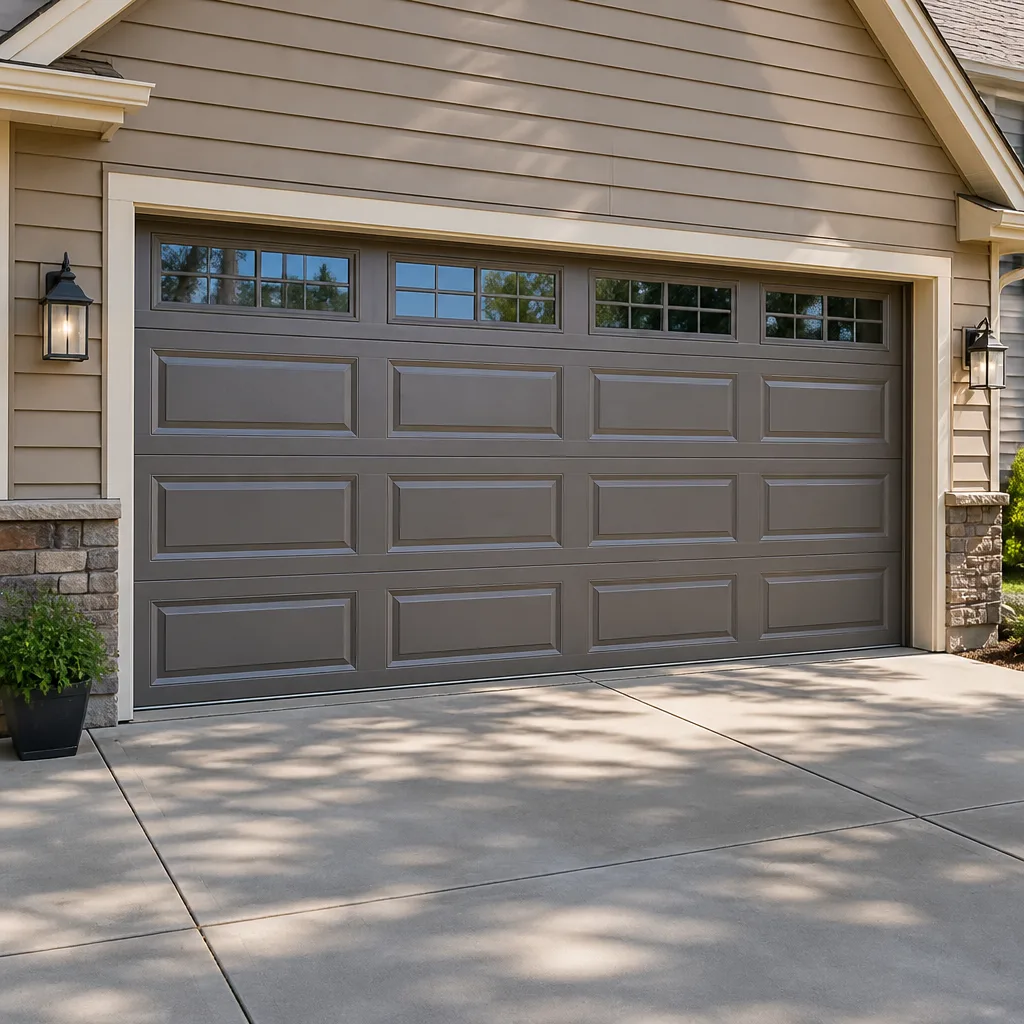 Raised-panel steel
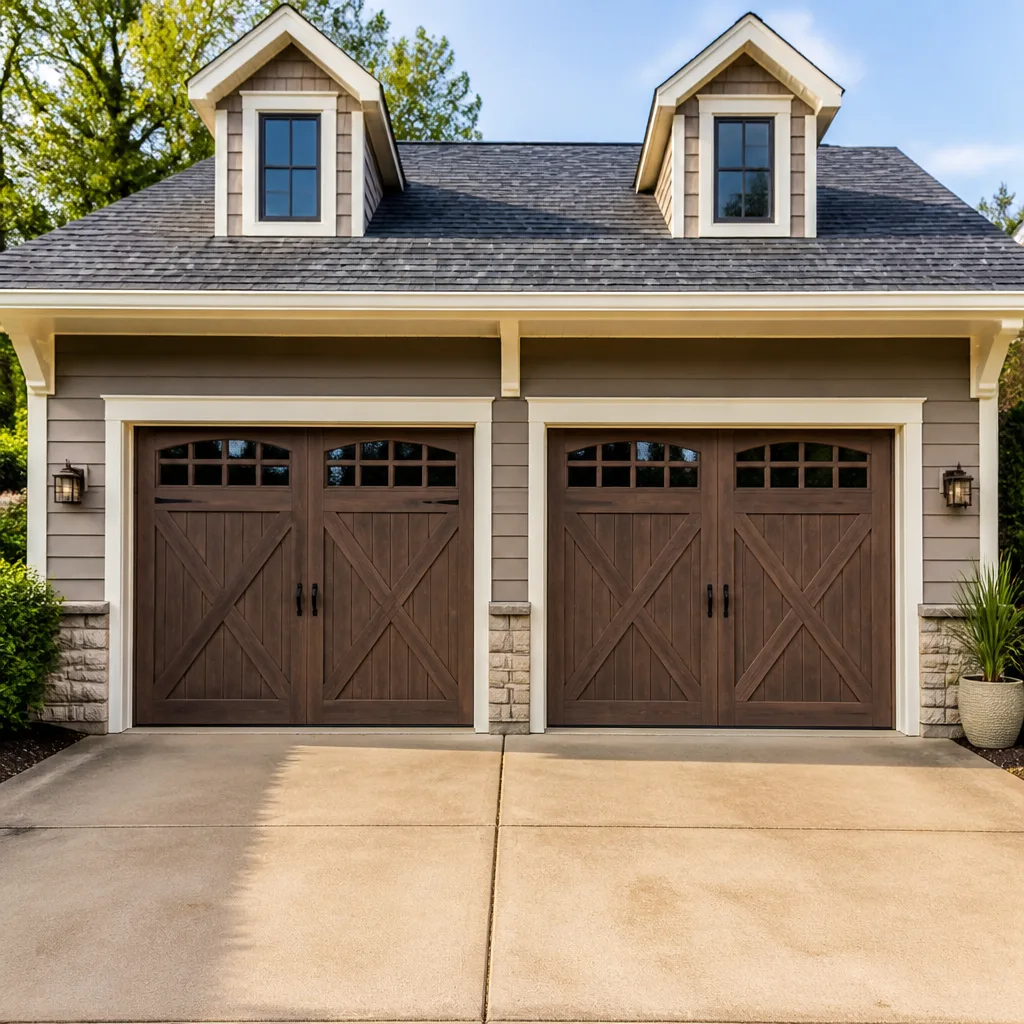 Carriage house
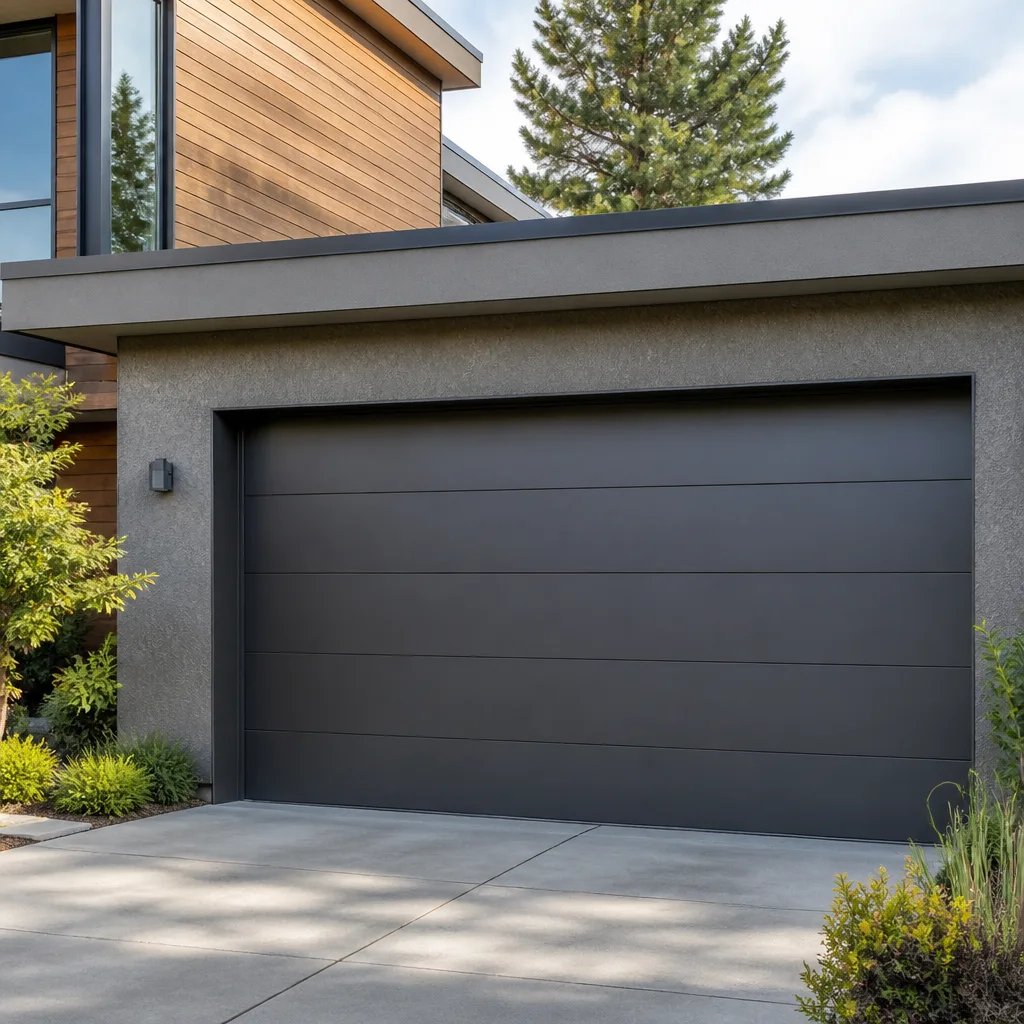 Modern flush
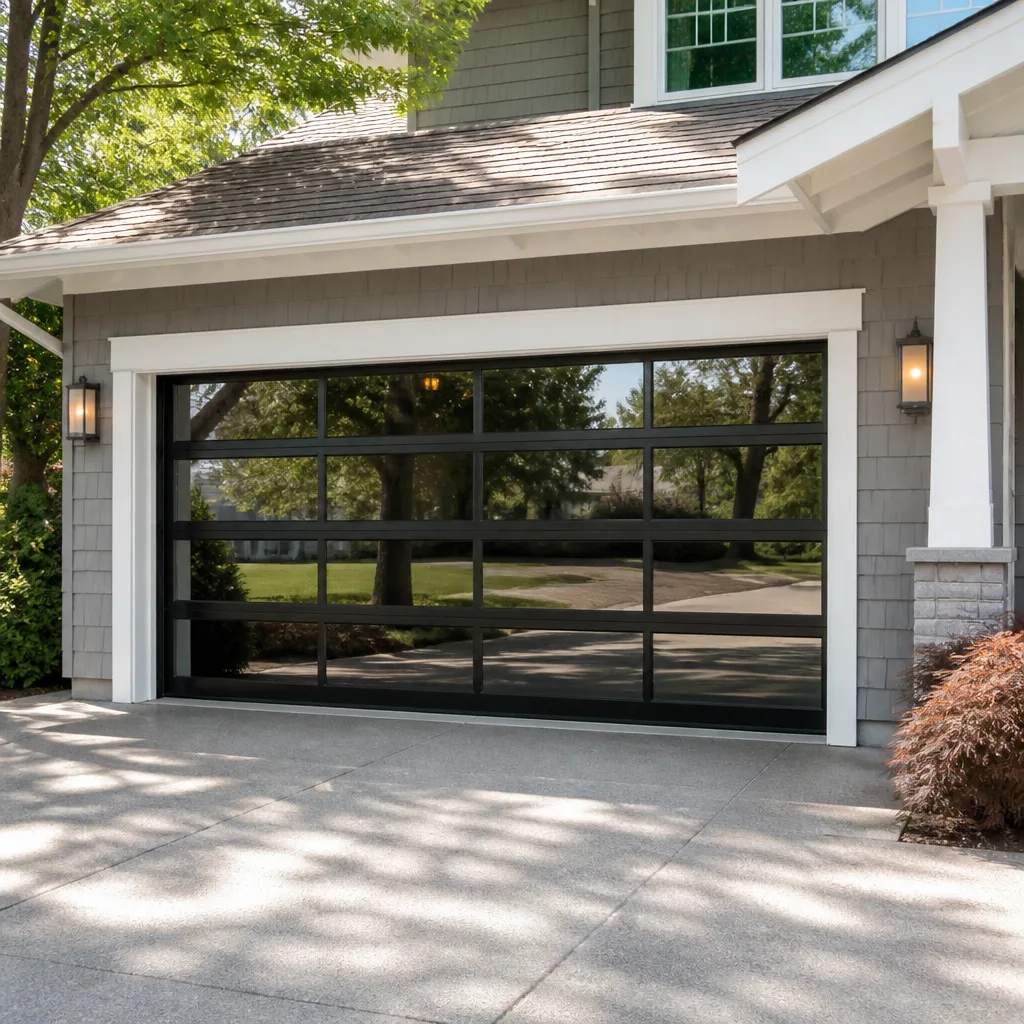 Full-view glass
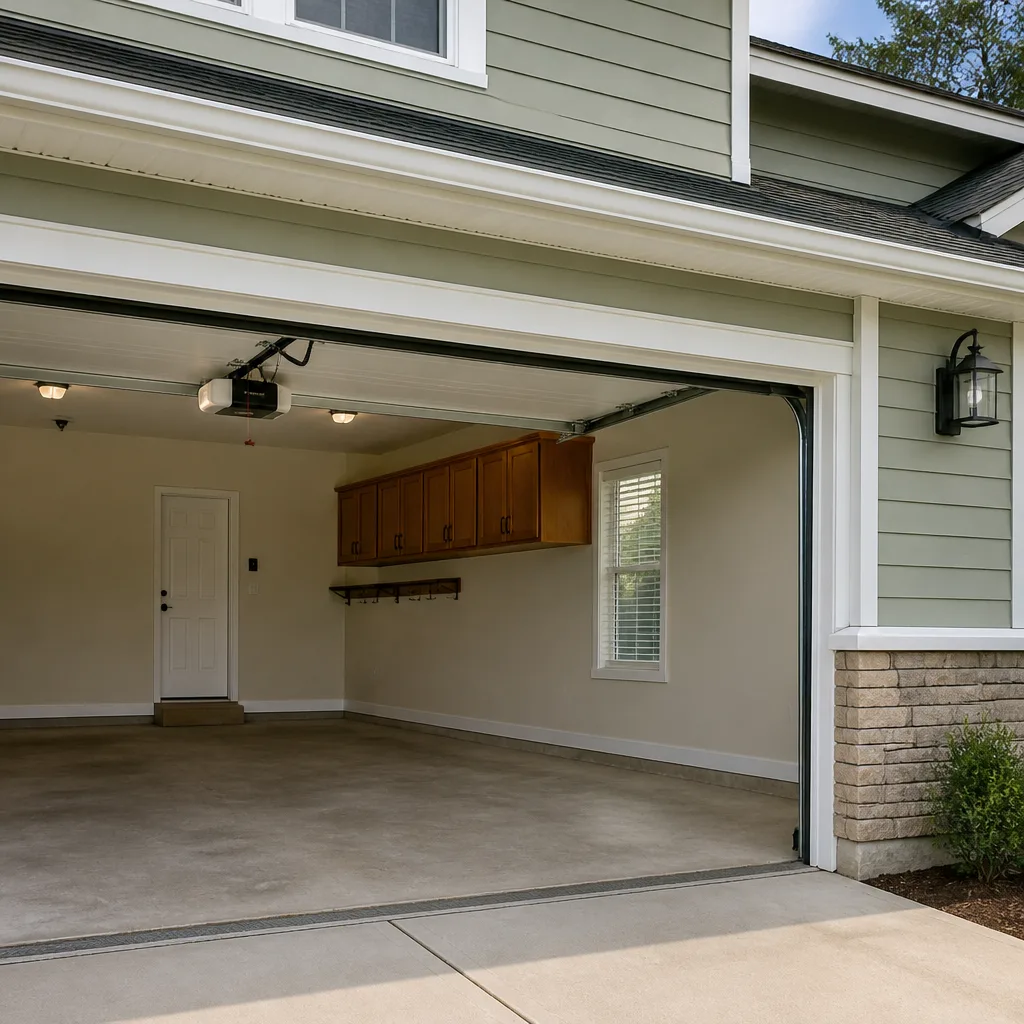 LiftMaster openers
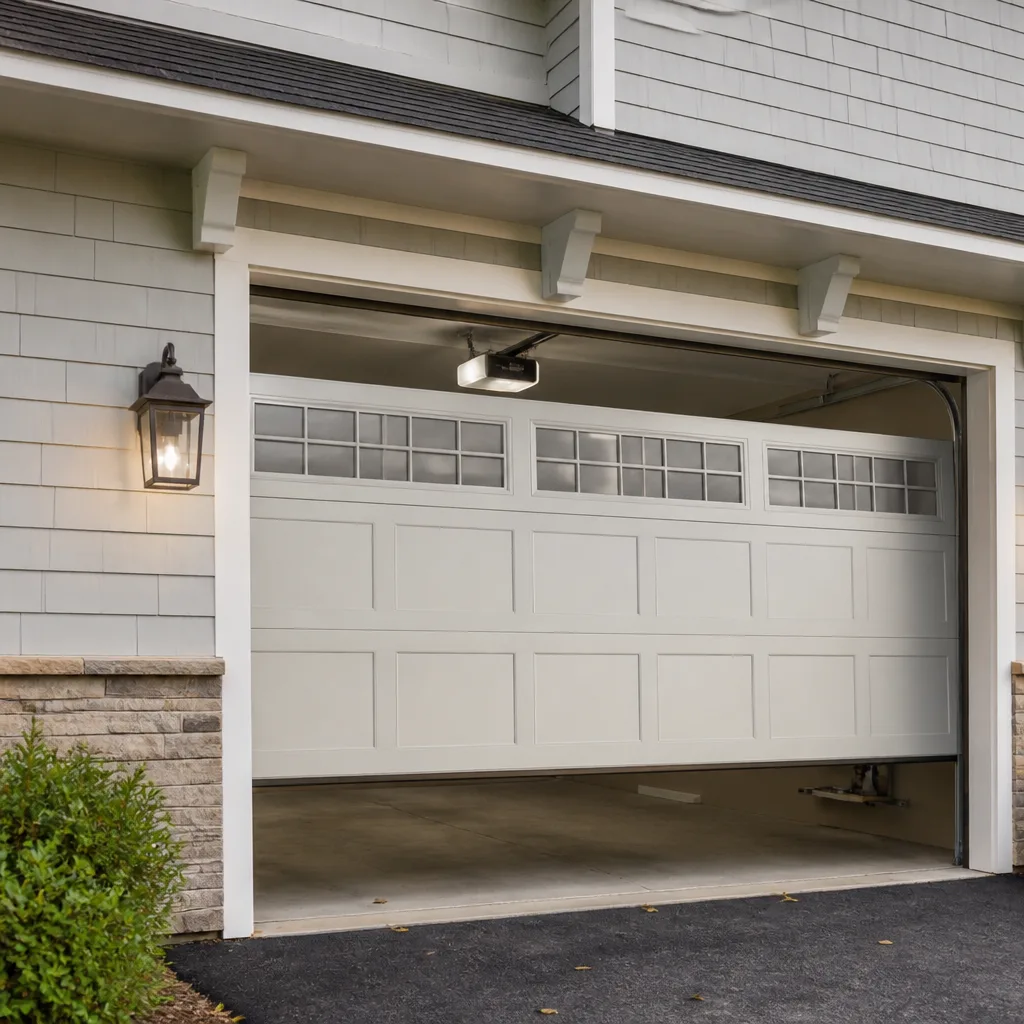 Chamberlain openers
Full 25-point door and opener safety check with every visit - springs, cables, rollers, tracks, and your LiftMaster or Chamberlain opener included
You get a price before we start. It does not change when the pro arrives.
Get your free estimateGarage Door Emergency Preparedness Guide for Hamilton Homes
Most homeowners treat a garage door failure like a weather event: something you react to when it hits. That’s the wrong posture. The door is the largest moving object on your property, it’s under constant spring tension, and when it fails, it usually fails all at once, often with a car trapped inside. The homeowners who handle it best aren’t the ones with the most tools. They’re the ones who decided in advance what they’d do. This guide gives you that plan: a decision protocol for the four failures that account for most emergency calls, the mistakes that turn a bad morning into a dangerous one, and a one-page card you can post on the garage wall in Hamilton so nobody in the house has to guess.
Quick Answer
Being prepared for a garage door emergency in Hamilton means knowing four things before anything goes wrong: how to recognize the difference between a door you can safely leave until morning and one you can’t, how to use the emergency release cord without dropping the door, what to have ready when you call, and which failures should never be touched by a homeowner. A broken spring, a door off its track, or a door stuck open with the house exposed all warrant a same-day call. A dead opener or a snapped cable on a closed, locked door usually doesn’t.
Styles & brands we work with
- Raised-panel steel
- Carriage house
- Modern flush
- Full-view glass
- LiftMaster openers
- Chamberlain openers
Table of Contents
- The Four Emergency Scenarios and What to Do in Each
- How to Use the Emergency Release Cord Without Making It Worse
- What to Have Ready Before You Call
- Which Failures Need Service Now and Which Can Wait Until Morning
- How Hamilton Weather and Housing Shape Garage Door Failures
- Power Outages and Doors Stuck Mid-Travel
- Your One-Page Emergency Reference Card
- Preventive Checks That Stop Most Emergencies
The Four Emergency Scenarios and What to Do in Each
Nearly every urgent garage door call falls into one of four categories. Each has a different correct response, and treating them the same is how people get hurt or make a repair more expensive. Here’s the decision tree we’d want posted in every Hamilton garage.
1. Door Stuck Open
This is the security failure. Your house is open to the street, and in Hamilton that matters whether you’re in Lindenwald or on the west side near the fairgrounds. If the door is fully open and the opener won’t run, first check whether the wall switch works and whether the wall outlet the opener plugs into has power. If the door is open and the springs look intact, you can usually close it by hand: pull the release cord, then lower the door slowly and evenly by hand until it meets the floor. If it won’t lower smoothly or feels extremely heavy, stop and leave it. A door that won’t come down by hand is telling you a spring or cable has failed, and forcing it invites a drop.
2. Door Stuck Closed
A door that won’t open is the trapped-car scenario, and it’s the one that costs people a work shift. Confirm the opener is receiving power and that the wall control isn’t locked out. If the opener hums but doesn’t move, the motor is trying but the door is bound: a possible broken spring, a snapped cable, or a roller jumped off its track. Do not keep pressing the button. Repeated attempts to drive a bound door can burn out the opener’s gear assembly or strip the trolley, turning a spring repair into an opener replacement too. If the door is closed and locked, the house is secure, so this one can typically wait for a scheduled visit.
3. Spring Snap
You’ll usually hear it before you see it: a sharp bang from the garage, often followed by the door dropping a few inches or refusing to lift. Springs are the most dangerous component in any garage door system. A torsion spring holds enough stored energy to cause serious injury, and the cable under tension beside it can whip when it lets go. If you suspect a snapped spring, keep everyone out of the garage, don’t try to lift the door, and don’t attempt to remove or adjust the spring or cable yourself. This is a job for a trained technician, full stop. We handle garage door spring repair as a dedicated service precisely because it demands the right tools, the right winding bars, and the judgment to know what a safe repair looks like.
4. Power Outage or Opener Dead
If the power is out and the door is sitting mid-travel, the door is not fully supported by the opener. Pull the release cord only if you can hold the door’s weight, because once the trolley disconnects, the door is free to move under spring tension alone. If you’re not sure you can control it, leave it where it is and wait for power or for a technician. If the opener is dead but the door is fully closed, you’re in the safest possible failure state: the garage is locked, and this becomes a scheduled repair rather than an emergency.
How to Use the Emergency Release Cord Without Making It Worse
The red release cord exists to disconnect the door from the opener, not from its springs. That distinction is where homeowners get into trouble under pressure. Understanding what happens mechanically before you pull is the whole game.
On a standard door, the release cord disengages the trolley from the opener’s rail. The door itself is still held up by its springs and cables. If those are intact and the door is in the down position, pulling the cord gives you a door you can lift by hand, and a properly balanced door lifts with moderate effort. If the springs are compromised, the door may be very heavy, or the release may not behave the way you expect. Here’s the sequence to follow calmly:
- Before touching the cord, look at the door. Is it fully down? Are the springs intact? Are the cables still wound on their drums?
- If the door is down and the springs look fine, stand clear to the side (not directly under the door) and pull the cord straight down and release it.
- Test the door’s weight by lifting it a few inches. A balanced door should move without strain. If it feels heavy, lower it and stop.
- Raise or lower the door slowly and evenly with both hands on the bottom section, never with fingers in the panel gaps.
- Once the door is where you want it, don’t leave it half-open for long. When service is done, the trolley has to be re-engaged by hand.
The most common mistakes we see: pulling the cord while the door is up and letting it slam down, pulling it while the opener is still running and jamming the trolley, and yanking the cord when the door is mid-travel and heavy. Any of those can crack a panel, bend a track, or drop the door on a person or a car.
What to Have Ready Before You Call
The difference between a two-minute dispatch call and a ten-minute one is having your facts ready. When your door has failed and you’re already frustrated, scrambling to find the model number is the last thing you want. Before you dial, gather these details:
- The door’s make and model. LiftMaster, Chamberlain, Genie, Raynor and the rest each have quirks, and knowing your brand up front means the technician arrives already familiar with your system instead of diagnosing from scratch. We’re factory-familiar with all eight major residential brands, which shortens the second visit to almost nothing.
- The opener’s make and model. There’s usually a sticker on the back or side of the opener housing. Note whether it’s a smart-home line (like LiftMaster or Chamberlain/MyQ) or a legacy unit like a Craftsman or Genie.
- What the door is doing right now. Won’t open, won’t close, hanging half-open, making a grinding noise, opener humming but no movement. One sentence is enough.
- Whether a car is trapped inside. This changes the priority. Say it early.
- Approximate door width and material. A rough guess is fine. “Double-wide, steel” tells us most of what we need.
- A callback number and your address. Obvious, but worth having handy so you’re not hunting.
With those six things in hand, the call itself takes about two minutes. You can reach us at (844) 950-3607. We answer 24/7. Fast dispatch from 7am to 7pm, Sunday through Friday.
Which Failures Need Service Now and Which Can Wait Until Morning
Not every garage door failure is an emergency, and treating them all as one is how homeowners end up paying for urgency they didn’t need. The clearer your criteria, the better your decisions under stress. Here’s how we’d sort the four scenarios.
- Call now: door stuck open and the house is unsecured. Leaving a garage open overnight exposes tools, bikes, and the entry door to the house. If you can’t safely close the door by hand, this is an immediate call. In Hamilton, doors left open in a residential neighborhood are an invitation.
- Call now: spring snapped and a car is trapped. If you need to leave for work, school, or an appointment, the door being down is a hard block. Trapped-vehicle calls get priority.
- Call now: door off track, hanging, or creaking under load. A door that’s partially off its track can fall. Keep people away and call. This isn’t a wait-until-morning situation.
- Can usually wait: dead opener with door fully closed. The house is locked, the door is in a safe state, and the repair is scheduled rather than rushed.
- Can usually wait: opener that’s noisy, slow, or reversing on its own. These are signs of a developing problem, not a failure in progress. Book it, but don’t panic.
- Can usually wait: snapped cable on a fully closed door. The door is down and secure. Call it in, but the house is safe overnight.
The single test we recommend for Hamilton homeowners: is the house exposed, or is someone trapped? If yes to either, call. If no to both, you’re likely in schedule-it territory. When in doubt, call and describe what you see. We’ll tell you honestly whether it can wait.
How Hamilton Weather and Housing Shape Garage Door Failures
Garage doors here go through a real range over the course of a year. Hamilton’s summers run hot and humid, and winters bring freezing stretches and freeze-thaw cycles that work on metal and moving parts in predictable ways. Understanding how the season affects your hardware helps you anticipate what’s likely to fail.
In the colder months, the biggest stressors are temperature-driven. Metal contracts, seals go stiff and brittle, and the daily freeze-thaw cycle works on rollers, hinges, and track hardware. Doors can get noisier, gears can get stiff, and a spring that was already near the end of its life is more likely to let go on the first cold snap. That’s the season when spring calls pick up. In the summer, humidity swells the wood on older doors and can bind track hardware; opener motors running in a hot garage work harder, and the lift-assist springs get a workout.
Housing stock matters too. Hamilton has a lot of older neighborhoods, from Lindenwald to the Ross Avenue corridor and the streets around downtown, where you’ll find single-width doors on homes built decades ago and openers that have been installed and replaced a few times. Additions and garages with mixed types of doors are common. A technician who knows the legacy systems (older Genie and Craftsman openers especially) can diagnose them on the first visit rather than the second, which is why we work on all eight major brands: LiftMaster, Chamberlain, Genie, Clopay, Amarr, Wayne Dalton, Craftsman, and Raynor. If your door doesn’t match the era of your house, that’s normal here, and it’s fine. We just need to know the brand.
One thing to remember about a modern smart opener: if a power blip resets it shot, or a Wi-Fi router reboot disrupts a Chamberlain/MyQ connection, the opener can seem dead when it’s only disconnected. A quick check of the wall control before you call can save you the trip.
Power Outages and Doors Stuck Mid-Travel
A power outage is the most common false emergency. Most openers have a battery backup or a manual release, and the door isn’t going anywhere without power unless you make it move. The tricky case is a door that’s caught mid-travel when the power drops: it’s hanging partway up, unsupported, and you’re not sure if it’s safe.
Here’s the protocol. First, don’t touch the release cord while you’re unsure of the door’s weight. A door hanging open under spring tension, with the opener disengaged, can come down hard. Stand clear, keep kids and pets away, and give it a minute. If your opener has battery backup, the door may still be controllable from the wall switch or remote. If the power is out and the door is mid-travel and won’t respond, that’s a call-us situation rather than a DIY pull-the-cord situation. The door needs to be lowered with control, not dropped.
If the power comes back and the door still won’t run, check the breaker for the garage circuit and the outlet the opener is plugged into. A tripped GFCI outlet will kill power to the opener even though the lights in the garage work. If the door is closed, this is a scheduled call. If it’s open and won’t close, it’s an immediate one.
For new doors or replacement openers, we recommend asking about battery backup and smart features during the estimate rather than after a failure. That conversation is easy to have while the door is working. It’s a different conversation when it’s dark.
Your One-Page Emergency Reference Card
Here’s the part of preparedness that actually pays off: a single index card, taped inside the garage near the entry door, that tells every member of the household what to do. Here’s what belongs on it.
- The emergency number. Ours is (844) 950-3607. Write it on the card. Write it on the door frame too if you like. You should not be searching for it at 5:45am.
- The four-scenario quick test. “Is the house open? Is a car trapped? If yes to either, call. If no to both, it can usually wait.”
- The release-cord rule. “If the door is up or heavy, don’t pull the cord. Call first.”
- The spring rule. “If you hear a snap or the door won’t lift, stay out of the garage. Don’t touch the springs or cables.”
- Opener details. Brand and model of your opener written in pen, with the year it was installed if you know it.
- The power-check step. “Check the wall switch and the outlet before calling.”
That’s the whole card. Six items, one side of an index card, posted where everyone can see it. When a Hamilton garage door gives out, the household that has this card is making decisions in seconds instead of spending an unknown amount of time on the phone.
Preventive Checks That Stop Most Emergencies
The best emergency protocol is the one you never need. A few simple habits extend the life of your door and reduce the odds of a surprise failure.
- Listen for changes. A door that’s getting louder, slower, or more reluctant to open is warning you. Make a note when it changes.
- Look at the springs once a month. From a safe distance, check that the torsion springs look intact and the cables are wound evenly on their drums. Don’t touch them; just look.
- Check the safety reverse. Place a small object in the door’s path and confirm it reverses. This is a safety function and worth testing regularly.
- Keep the track clear. A small obstruction in the track can derail the door. Look for bent track sections at eye level.
- Book a tune-up before winter. Getting the door lubricated, balanced, and inspected before the cold sets in is far less disruptive than an emergency in January.
- Know your door’s age. If your springs are old, replacing them on your schedule is a controlled job. Replacing them because they broke is an emergency. The first is cheaper and calmer.
If your door has been making noise or getting harder to operate, it’s a good time to schedule garage door repair before something gives way. A free estimate costs nothing and gives you a timeline.
Common Mistakes to Avoid
- Pulling the release cord while the door is up. It’s the most common DIY injury we hear about. The door can free-fall. Only pull it when the door is down and you can control its weight.
- Forcing a door that won’t move. Pressing the opener button over and over when the door is bound can burn out the motor and gear assembly. Stop pressing and call.
- Trying to fix a broken spring yourself. The springs and the cables under tension are the most dangerous parts of the system. Winding a torsion spring with the wrong tools or at the wrong tension can result in serious injury. Leave this to a trained technician.
- Parking a car under a door that’s hanging. If a door is stuck up or off-track, keep vehicles and people out from underneath. Get it down safely first.
- Ignoring a door that reverses on its own or stops partway. These are warning signs, often of a failing opener or a binding track. Fixing them now beats a full failure later.
- Calling a generic handyman for a spring or opener job. Garage door work is its own trade with its own tools and safety standards. Use a specialist.
- Not knowing the door’s brand. Walking to the opener at 6am to read the model sticker is not the moment you want to be doing it. Note it now.
See the difference
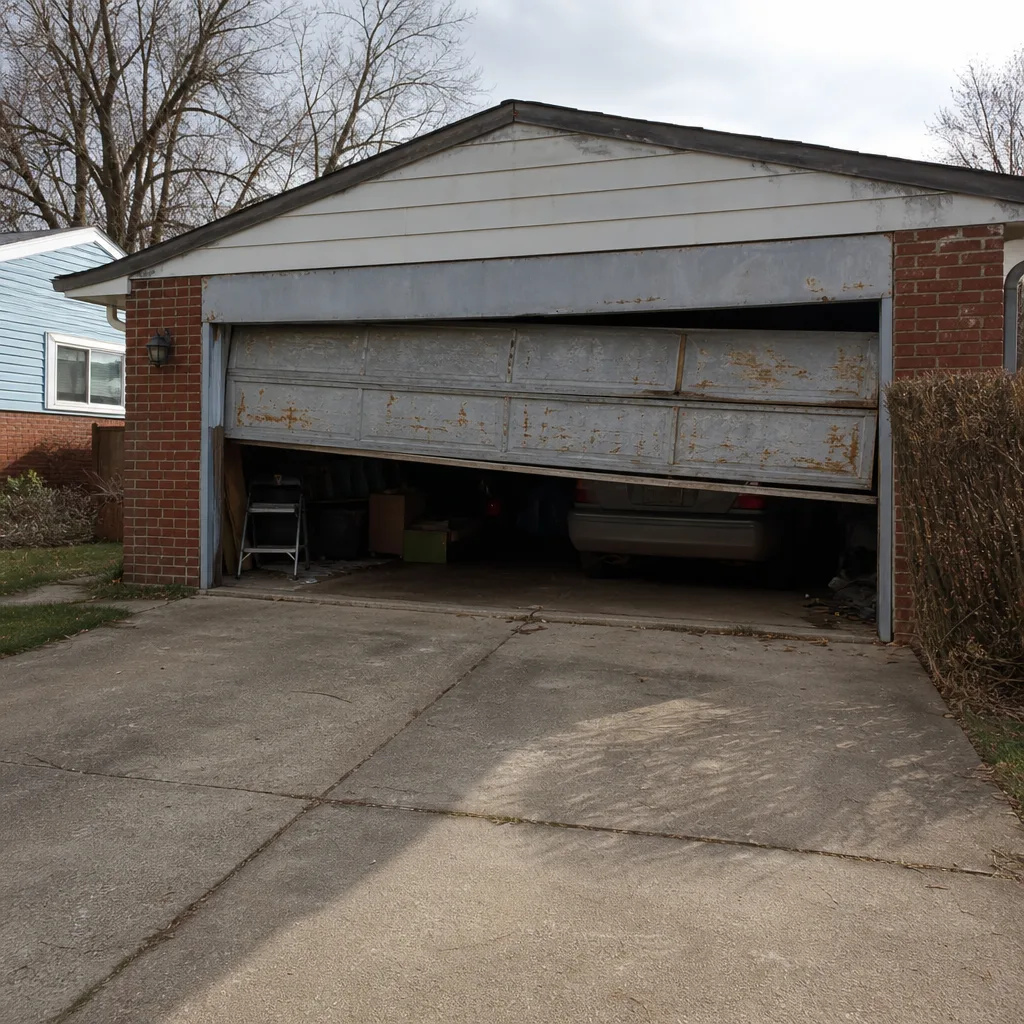 Before
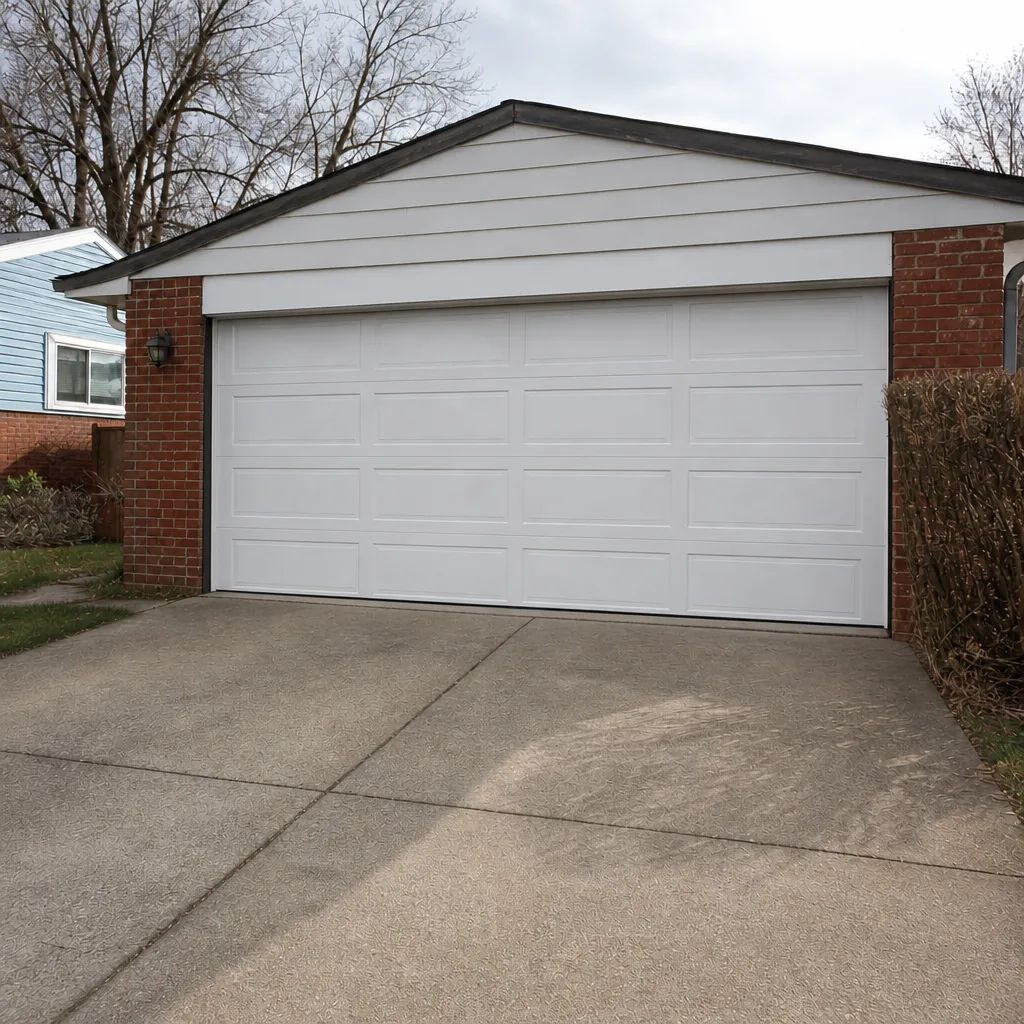 After
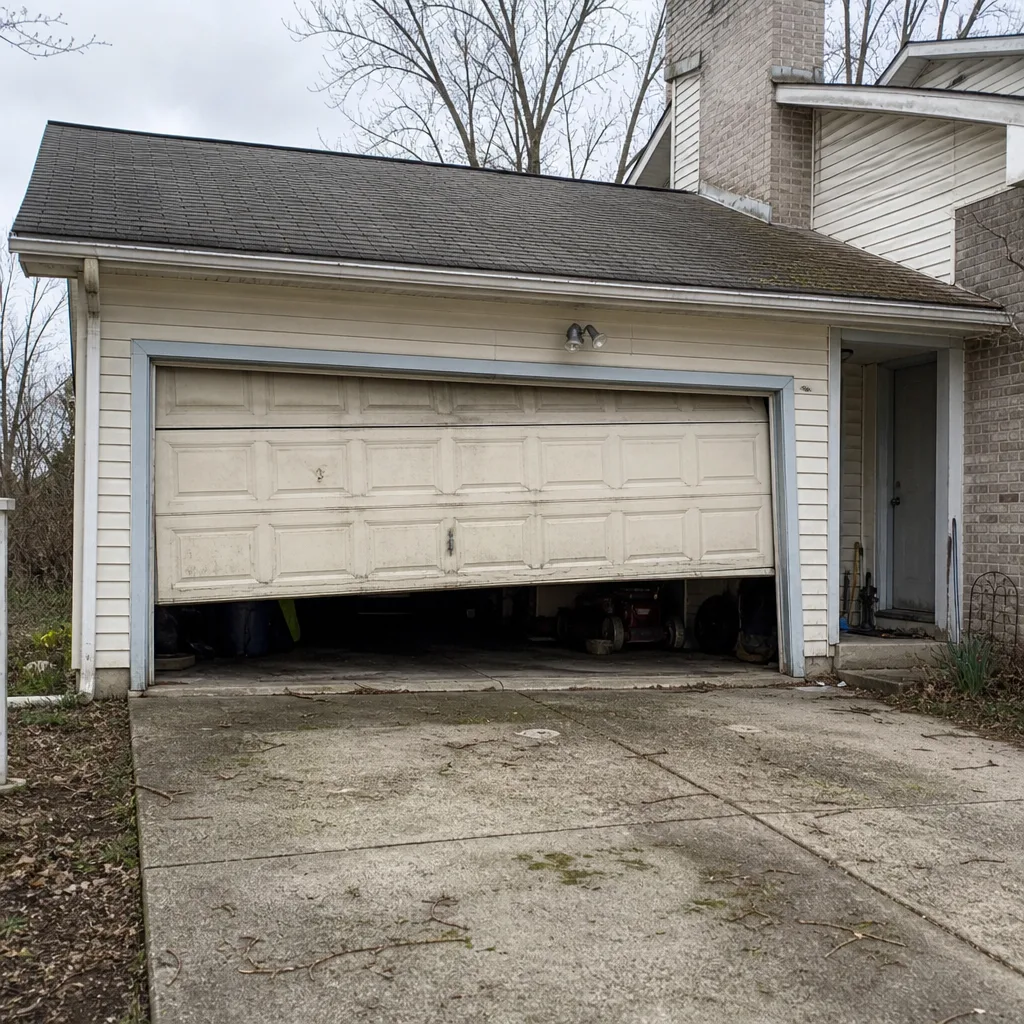 Before
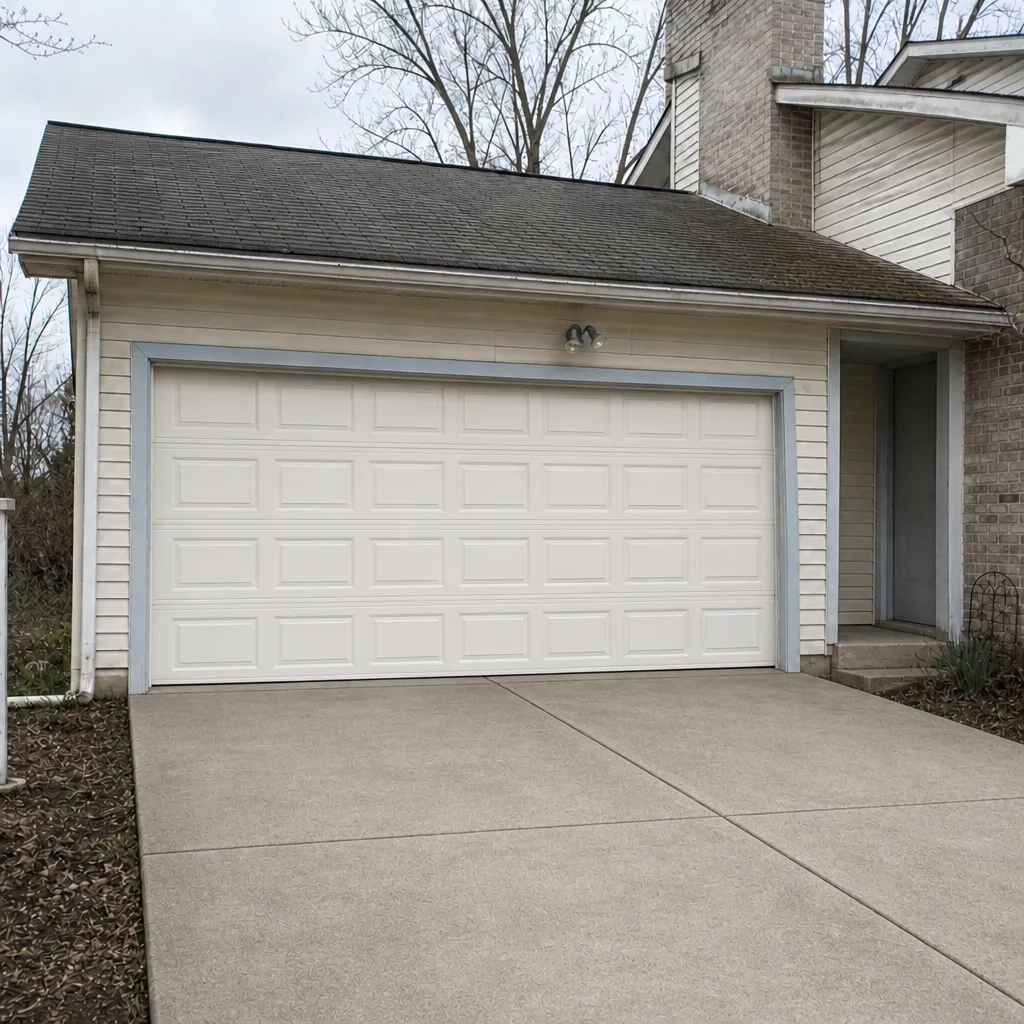 After
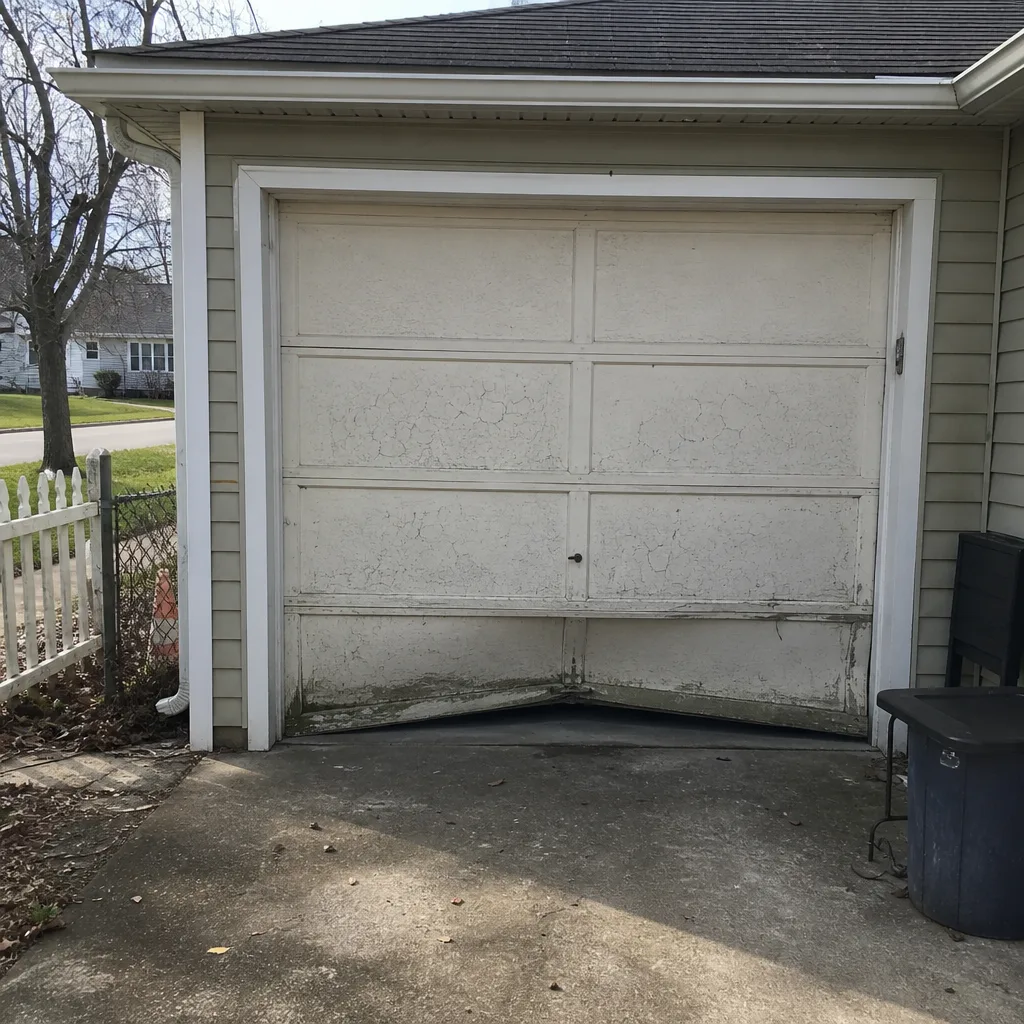 Before
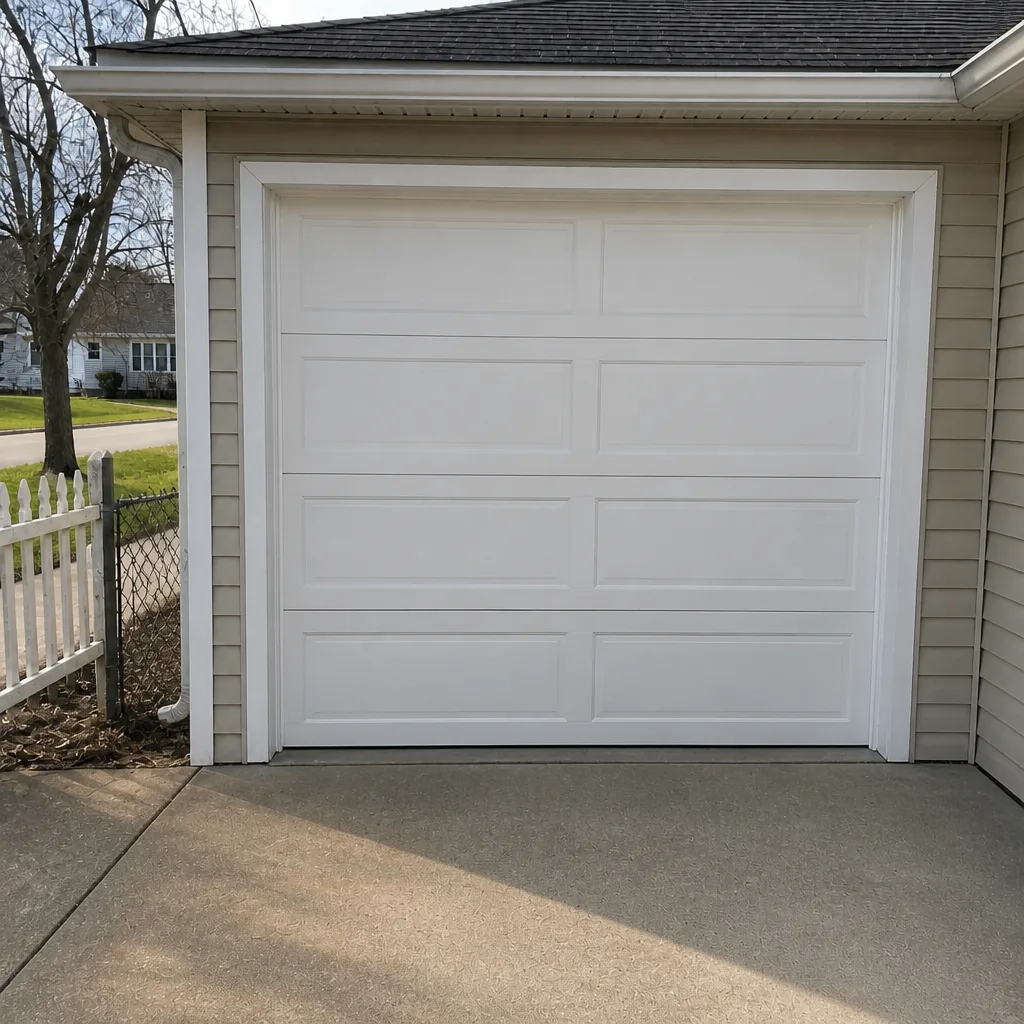 After
When to Call a Professional
Call a professional for any of these: a broken spring or snapped cable, a door that’s off its track or hanging unevenly, an opener that hums but won’t move the door, a door that reverses on its own, or a garage that’s open and won’t close. Those are all safety- or security-critical and shouldn’t wait. For a door that’s fully closed with a dead opener, a noisy but working system, or a schedule-it replacement, a booked visit is fine. Garage Door Repair Hamilton Pros offers free estimates in Hamilton, and our technicians have up to 8 years of experience working across all eight major residential brands. Call (844) 950-3607 to get on the schedule or to talk through what you’re seeing. We answer 24/7. Fast dispatch from 7am to 7pm, Sunday through Friday.
Frequently Asked Questions
First, confirm the opener has power at the wall switch and the outlet, then look at the door’s track for an obvious obstruction and check the photo-eye sensors at the bottom of the tracks for anything blocking them. If the door is fully closed and secure, you’re in no rush to call. If it’s open and won’t come down, call now: the house is exposed, and that’s an immediate-service situation. Call (844) 950-3607 for an exact quote. Estimates are free.
Yes, treat it as one, for safety reasons more than convenience. A broken spring means the door is no longer safely supported, and the cable under tension can fail dangerously. You shouldn’t try to lift the door or touch the spring or cable. Keep everyone out of the garage and call. We handle spring repair as a dedicated service for exactly this reason: the danger is real, and the fix requires the right tools and training.
You can open and close it manually if the springs are intact and the door is properly balanced. Pull the release cord only when the door is down and you can control its weight, then lift it by hand. A door that’s very heavy or hard to lift has a problem beyond the opener, so stop and call. If the door is closed and secure, a dead opener is usually a scheduled repair, not an emergency.
It depends on the failure. A common spring replacement typically runs in a defined range, and an opener repair or off-track fix falls in its own range, so the honest answer is that we quote per job. The written estimate sets the price, and you’ll have it before any work begins. Call (844) 950-3607 for an exact quote. Estimates are free.
It shouldn’t, and with us it doesn’t. We quote the job in writing before any work starts, so the number you agree to is the number you pay. If we find something additional when we’re on-site, we’ll show you and quote it before touching it. No surprise invoices.
Very likely. We’re factory-familiar with all eight major residential brands: LiftMaster, Chamberlain, Genie, Clopay, Amarr, Wayne Dalton, Craftsman, and Raynor. That covers the vast majority of doors and openers in Hamilton homes, from newer smart-home-compatible systems to legacy openers. Call (844) 950-3607 and tell us your brand. Estimates are free.
The Bottom Line
A garage door emergency is a decision-making problem as much as a repair problem. If you know the four failure types, which ones need immediate service and which can wait, how to use the release cord safely, and what to have ready for the call, you handle the whole thing in minutes instead of hours. Post the reference card in your garage, look at your springs and listen to your door, and book a garage door opener repair or a tune-up on your schedule rather than someone else’s. If you’re planning a replacement, get ahead of it with garage door installation so the work happens on your terms. Garage Door Repair Hamilton Pros is the full-service specialist for repair, opener work, spring repair, and installation in Hamilton. Call (844) 950-3607 for a free estimate. We answer 24/7. Fast dispatch from 7am to 7pm, Sunday through Friday.
Written by the team at Garage Door Repair Hamilton Pros.