
Last updated November 23, 2026
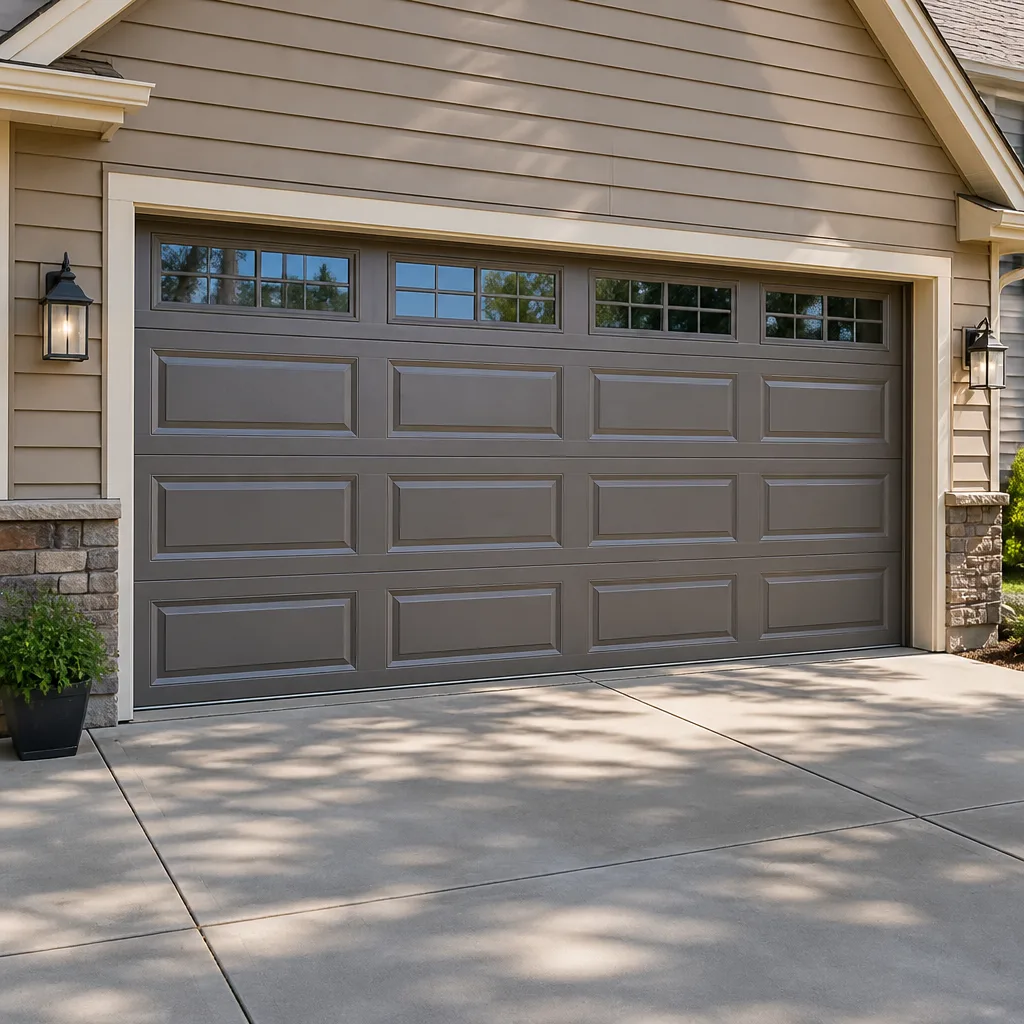 Raised-panel steel
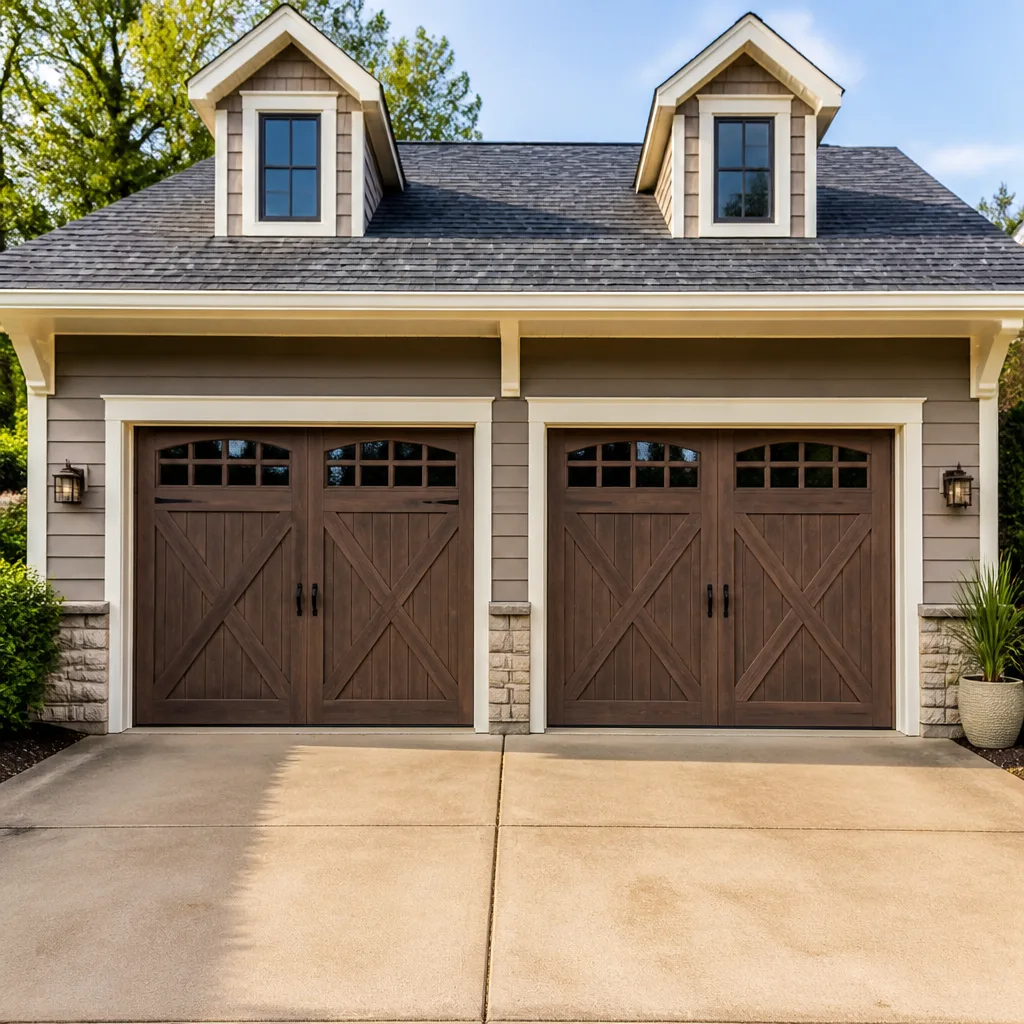 Carriage house
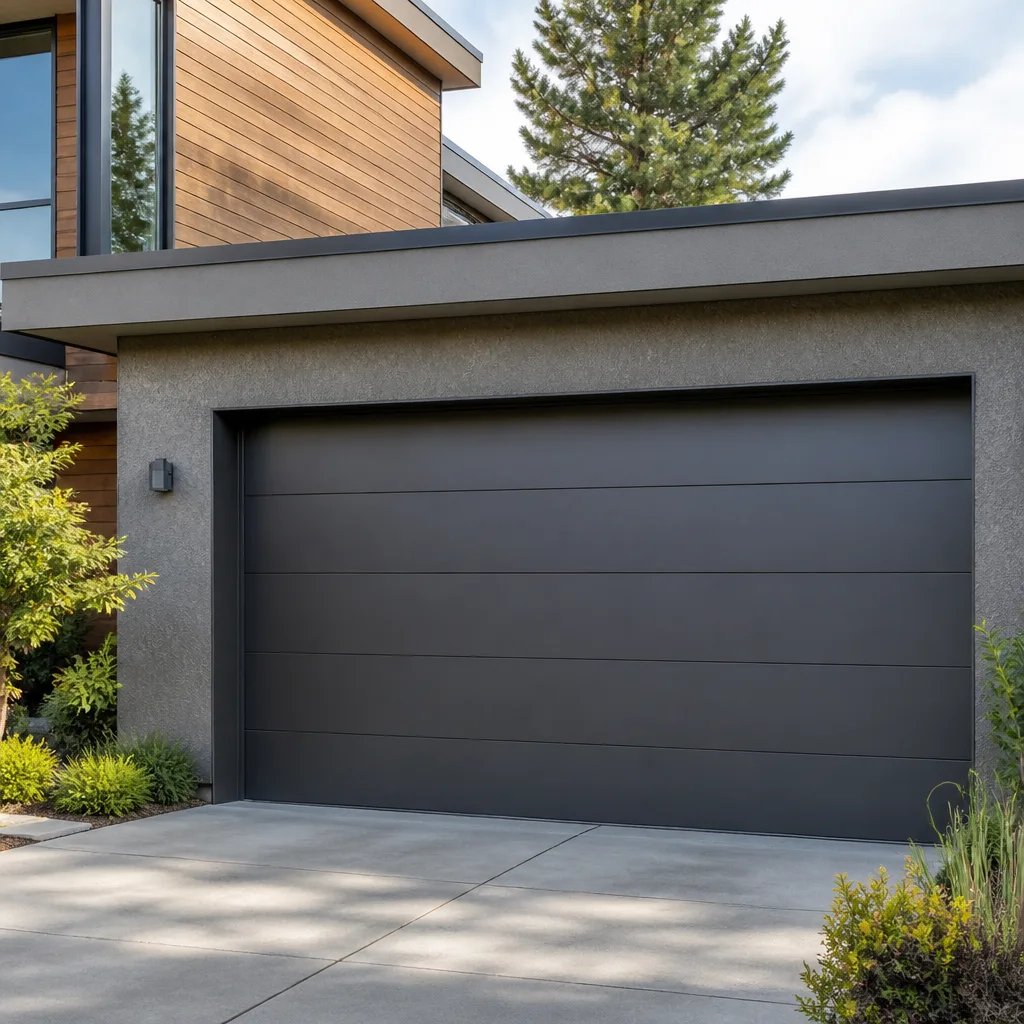 Modern flush
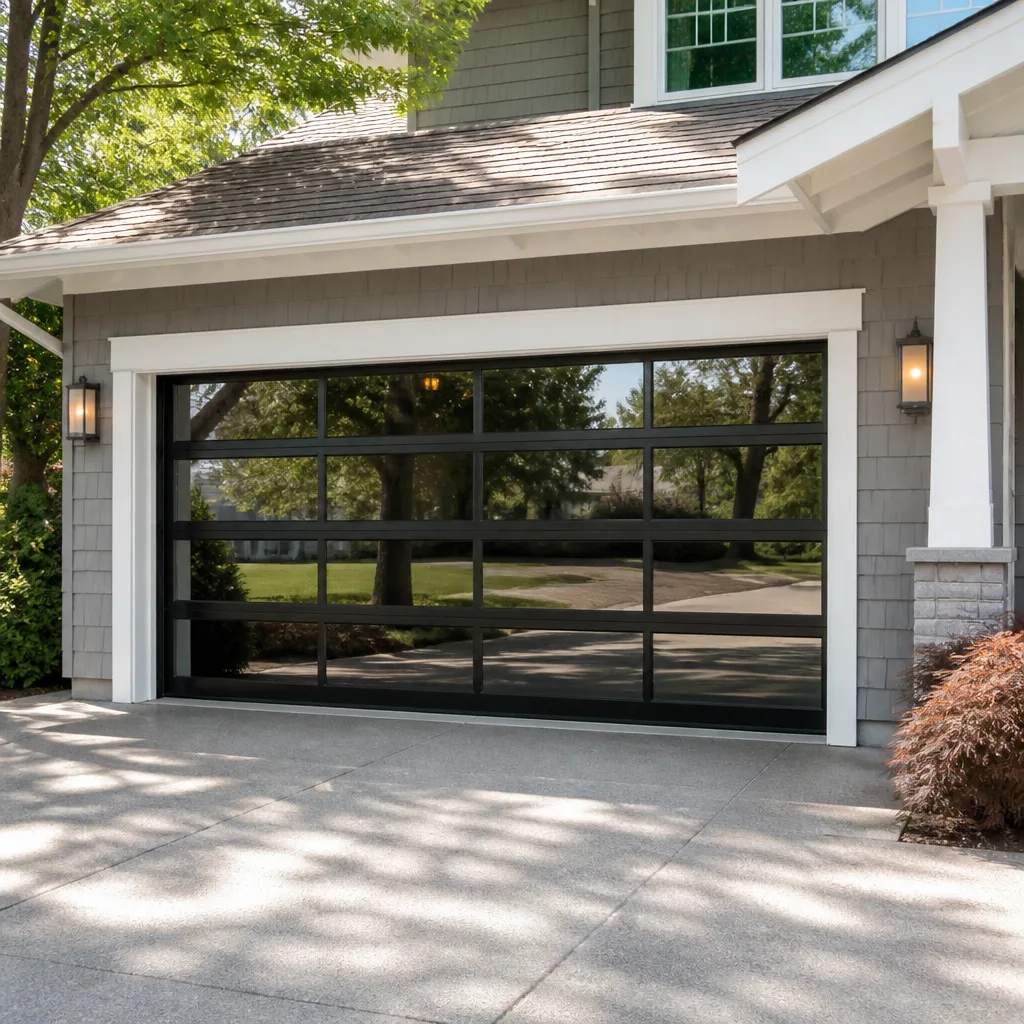 Full-view glass
 LiftMaster openers
 Chamberlain openers
Full 25-point door and opener safety check with every visit - springs, cables, rollers, tracks, and your LiftMaster or Chamberlain opener included
You get a price before we start. It does not change when the pro arrives.
Get your free estimateGarage Door Permits, Codes & Inspections in Hamilton, OH: What You Need to Know
Most Hamilton homeowners assume a garage door swap is permit-free, and most of the time they’re right. That’s exactly what makes the exceptions dangerous. A door replacement that adds a new motorized opener to older framing, or that touches the structural header over the opening, or that disturbs the drywall on an attached garage wall, can cross into work that needs a permit and an inspection. Skip that step and nothing seems wrong until a buyer’s inspector flags the unverified header modification at resale, or an insurance adjuster asks for the paperwork after a loss. This guide covers the thresholds in Ohio that trigger a permit, how filing works in Hamilton, what an inspection looks at, and how to verify your contractor pulled the right documents.
Quick Answer
In Hamilton, Ohio, a like-for-like garage door replacement usually doesn’t need a building permit, but structural work on the header, adding a new motorized opener to older framing, or modifications to the fire-separation wall of an attached garage typically does. Permit filing goes through the City of Hamilton’s building department, and an inspection checks framing, attachment, and fire separation rather than cosmetics. When in doubt, call the city’s building department directly and describe the exact scope before work starts. Our Garage Door Repair Hamilton Pros team walks through this with homeowners on every replacement quote, and the free estimate always states in writing what the job involves.
Styles & brands we work with
- Raised-panel steel
- Carriage house
- Modern flush
- Full-view glass
- LiftMaster openers
- Chamberlain openers
Table of Contents
- When Does a Garage Door Job Need a Permit in Ohio?
- How the Permit and Inspection Process Works in Hamilton
- Fire Separation Rules for Attached Garages
- How Unpermitted Work Affects Homeowner’s Insurance
- What a Code-Compliant Installation Looks Like on Paper
- What a Hamilton Inspection Actually Checks
- Openers, Framing, and the Permit Trap in Older Homes
- How to Verify Your Contractor Pulled the Right Permits
When Does a Garage Door Job Need a Permit in Ohio?
Ohio building code treats a garage door replacement like a repair when the opening, header, and framing stay exactly as they were. Swap the door panel for a same-size panel on an unchanged track and spring system, and you’re replacing a component, not altering the structure. No permit. The moment the scope changes, so does the answer. Ohio’s residential code follows the model codes closely on this point: alterations to structural members, changes to the means of egress, and new electrical connections for permanently installed equipment all move a project into permitted territory. Here’s how the thresholds break down by job type.
Door replacement only (no structural change)
- Usually no permit. Same size opening, same header, same jambs, same track configuration.
- Spring and cable replacement on an existing door is maintenance, not construction.
- If the door weight and size are identical to what came out, the load on the header hasn’t changed.
Opener installation
- Often no permit when you’re swapping a dead opener for a new one on the same motor mount and the same existing outlet.
- May need a permit if a new dedicated circuit, new outlet, or new wiring has to be run to the ceiling. That’s electrical work, and it’s typically permitted and inspected separately.
- Older Hamilton homes with ungrounded garage circuits fall into this second group more often than people expect.
Structural header or framing work
- Always a permit. Enlarging the opening, replacing a sagging header, sistering a cracked jamb, or cutting into the wall above the door are structural alterations.
- These are also the jobs most likely to show up in a home inspection report as unverified work.
The threshold isn’t about cost, and it isn’t about who does the work. It’s about whether the project changes the structure, the egress path, or the electrical system. A $200 permit on a header job is the cheapest part of the project; skipping it is what gets expensive later.
How the Permit and Inspection Process Works in Hamilton
Hamilton handles residential building permits through the City of Hamilton’s building department, and the process is straightforward if you know the order of operations. The homeowner or the contractor can file, but the property owner is the one legally responsible for making sure permitted work gets inspected. Here’s the sequence for a garage door job that requires a permit.
- Describe the scope clearly. Call the city’s building department and explain exactly what’s changing: header replacement, opening resize, new electrical circuit, or fire-separation repair. Fuzzy descriptions get fuzzy answers.
- Submit the application. You’ll typically need the property address, a short description of work, and a drawing or sketch showing the existing and proposed framing when structure is involved.
- Pay the permit fee and receive the permit. Turnaround depends on the city’s current workload and whether the application is complete. Simple residential permits tend to move faster than anything requiring plan review.
- Do the work, then request inspection. Framing and fire-separation inspections generally need to happen before drywall closes the wall. Electrical rough-in happens before the panel and device are finished.
- Get the final inspection signed off. Keep the signed card and the final inspection record with your home’s paperwork.
Two local notes from our experience in Hamilton: first, older homes around the German Village and Dayton Lane historic districts sometimes have original garage framing that doesn’t match modern drawings, so a sketched plan helps the reviewer understand what’s actually there. Second, if your garage was converted, added onto, or re-roofed without records, the building department may ask for more detail than a straight replacement would need. When a job gets complicated, be upfront rather than trying to squeeze it into a simpler category. Our garage door installation quotes spell out the permit scope so you know what’s filed before anyone touches the wall.
Fire Separation Rules for Attached Garages
Ohio residential code treats the wall between an attached garage and the living space as a fire-separation assembly, and that’s the part of a garage door project most homeowners never think about. The requirement exists because a garage is where a car fire, a gasoline spill, or a stored can of solvent is most likely to be. The wall, the ceiling above the garage, and any door between the garage and house are supposed to hold back smoke and flame long enough for people to get out.
Where a simple door swap never touches that assembly, several common scenarios do:
- Replacing the drywall around the opening after a frame repair.
- Cutting into the wall above the door to fit a larger header or a taller door.
- Repairing damaged gypsum board on the shared wall.
- Adding a door, service opening, or duct between the garage and the house.
When those materials get disturbed, the repair has to restore the separation, which usually means the same thickness and type of gypsum board, taped and finished seams, and no gaps around penetrations. An inspector will look at this directly. In our experience, the failures we see aren’t dramatic: a piece of half-inch board where five-eighths was required, an untaped seam behind a new door frame, or a hole cut for a wire that was never sealed. Ask the building department what the separation requirement is for your specific assembly before the wall goes back together. The drywall is cheap. The rework isn’t.
How Unpermitted Work Affects Homeowner’s Insurance
Standard homeowner’s policies contain a clause most contractors never mention: the insurer’s right to deny or limit a claim if the loss was caused or worsened by work done without required permits or inspections. It doesn’t apply to every claim, and it’s not automatic. But when a fire, a structural failure, or a collapse can be traced to unpermitted work, the adjuster has a legitimate basis to push back, and that conversation happens at the worst possible moment.
Here’s where it bites in a garage door context:
- Fire claims. If a garage fire spreads into the house and the fire-separation wall was compromised by unpermitted work, the coverage question gets complicated fast.
- Structural claims. An unpermitted header modification that later sags or fails can be argued as an excluded cause of loss.
- Electrical claims. An opener wired to a circuit that was never inspected is a common adjuster inquiry after a garage electrical fire.
- Water intrusion. Unpermitted work that left the wall open to weather can complicate a resulting mold or rot claim.
The fix isn’t complicated: keep the permit, the inspection record, and the contractor’s documentation with your home’s file. If work was done years ago without a permit and you’re not sure, call the building department and ask what records exist. Sometimes there’s nothing to worry about. Sometimes there’s a simple way to get it documented retroactively. Either way, you want to know before the insurer does.
What a Code-Compliant Installation Looks Like on Paper
You don’t have to know building code to verify that a garage door job was done properly. You just have to know which documents should exist at the end of it. A code-compliant installation leaves a paper trail, and it’s short enough to keep in one folder. Here’s what to ask for.
- A copy of the permit (or a written confirmation that no permit was required, with the reasoning).
- The inspection card or final inspection record, if a permit was pulled.
- A written scope of work that names the door model, opener model, and any structural or electrical work being done.
- Manufacturer installation instructions for the door and opener, kept with the paperwork.
- The opening measurements before and after, when the opening changed.
- Photo documentation of framing and fire-separation repair before drywall goes back up, if that phase was permitted.
- A written estimate and final invoice that match the scope you approved.
For the equipment side, brand-specific documentation is useful. Clopay, Amarr, Raynor, and similar manufacturer lines all publish installation guides and anchoring requirements that an inspector or adjuster can check against your door. Openers from LiftMaster or Chamberlain carry their own installation specs for motor mounting, safety reversal, and photo-eye placement. If you’re working with a Raynor door from a previous owner and the manual is long gone, the manufacturer can usually send a replacement. Our garage door repair technicians keep the relevant documentation with the job file so you never have to chase it.
What a Hamilton Inspection Actually Checks
A garage door permit inspection is a narrow, specific visit. It’s not a home inspection and it’s not a design review. It checks the work that was permitted against the code requirements for that scope. Here’s what an inspector typically looks at, depending on what was filed.
For structural or header work
- The header size and material against what the permit documents.
- How the header ties into the existing framing on both sides.
- Proper bearing at the jamb, not a header floating on a cut-down stud.
- Any new fasteners, hangers, or structural connections.
For fire-separation repair
- The type and thickness of gypsum board installed.
- Taped and finished seams, with no gaps at corners or around penetrations.
- Continuity of the separation assembly above the opening and along shared walls.
For electrical work (new opener circuit)
- Proper circuit wiring, grounding, and connection methods.
- Location of the outlet relative to the opener motor and ceiling.
- Safety reversal and photo-eye function on the opener after installation.
In Hamilton, we’ve noticed inspection appointments tend to move smoothly when the job site is clean, the scope matches the permit, and the framing is open for review at the right phase. The most common delay comes from drywall installed before the framing inspection, which forces a partial tear-out. If you’re scheduling the work yourself, ask the inspector (or your contractor) exactly which phase each inspection needs to happen in.
Openers, Framing, and the Permit Trap in Older Homes
The most common permit trap in Hamilton isn’t a new door. It’s an old house with an old opener and no dedicated circuit. A homeowner buys a modern smart opener from LiftMaster or Chamberlain, or an older Craftsman or Genie system that’s on its last legs finally gets swapped out, and the installer discovers the ceiling outlet is fed off a general-purpose circuit shared with the garage lighting, or there’s no grounded outlet at all. Suddenly the job includes running new wiring, which is electrical work, which is permitted work.
Where older framing is also in play, things stack up:
- Undersized ceiling framing. A new opener with a heavier rail or belt drive sometimes needs a reinforcement bar or a header where the old opener hung from a single joist.
- Sagging jambs. Doors that have been in place a long time sometimes shift, and a new door reveals the framing that should have been fixed a decade ago.
- Out-of-square openings. A replacement door has to fit the opening; if the opening is out of square, adjustment to the framing is often the right call.
None of those work is unusual, and none of it means the previous owner did anything wrong. It just means older homes have older wiring and older framing, and the honest conversation happens before the quote, not after the ceiling comes down. If your door is failing rather than being replaced, our garage door opener repair covers the opener side, and we’ll say plainly whether we can complete the job without electrical alterations or whether a permit needs to be filed. Our technicians have up to 8 years of experience, and the ones who work on LiftMaster and Chamberlain systems see this exact scenario in Hamilton regularly.
How to Verify Your Contractor Pulled the Right Permits
Verification is easier than most homeowners expect, and it belongs in the contract conversation, not after the fact. If your contractor can’t answer a permit question clearly, that itself is an answer. Here’s the sequence we recommend for any garage door or opener project in Hamilton that might be permitted.
- Ask the question before the estimate. “Does this job need a permit? If yes, whose name is on it?” Should be a quick, confident answer either way.
- Get it in writing. The written estimate should state clearly whether the work includes a permit, whether the homeowner is expected to pull it, or whether no permit applies and why.
- Check the permit record with the City of Hamilton’s building department. Give them the address and ask if a permit has been issued. It’s usually a quick call.
- Look at the permit card. When a permit is issued, a card is posted at the job site. If you don’t see one during working hours, ask.
- Confirm the inspection happened. Ask for the signed inspection record when the job is done. If it’s “coming,” follow up.
- Keep the file. Permit, inspection card, written scope, manufacturer instructions, photos. It’s the same file your insurer or buyer will want later.
Two red flags worth knowing: a contractor who says “we don’t pull permits for this” on a job that clearly involves structural or electrical changes, and a contractor who offers to pull a permit “if you really want one” as if it’s a hassle. Our team works through this as part of the free estimate so there’s nothing to argue about later. You also don’t need to worry about calling the building department on our behalf; we’d rather you do it and know exactly what’s filed.
Common Mistakes to Avoid
- Assuming no permit is ever needed. A like-for-like door swap usually doesn’t need one; a header replacement or an opening resize always does. Confirm which category your job falls into before work starts, or the paper trail gets messy later.
- Installing drywall before the framing inspection. We’ve seen this in Hamilton homes more than once, and it forces a tear-out and a second inspection. Ask which phase each inspection needs to happen in and plan around it.
- Replacing fire separation materials with whatever’s on hand. The type and thickness of gypsum board between an attached garage and the living space are specified for a reason. Substituting thinner board fails inspection and compromises the assembly.
- Letting an electrician skip the opener circuit. If a new dedicated circuit has to be run, the electrical work needs its own permit and inspection. Wiring an opener off the nearest general circuit is a common shortcut that fails later.
- Not documenting work in photos before drywall goes back. Framing, fastener placement, and fire-separation repair are all invisible once the wall is closed. Photos are your record if a buyer or an adjuster ever asks.
- Trusting a verbal “no permit needed” that came from a contractor, not the city. Contractors can be wrong. The building department is the authority. A two-minute phone call beats a three-week resale delay.
- Tossing the manual. The installation guide for your door and opener is the exact document an inspector or adjuster may want to see. Clopay, Amarr, LiftMaster, and most manufacturers will send a replacement, but it’s easier to file it the first time.
See the difference
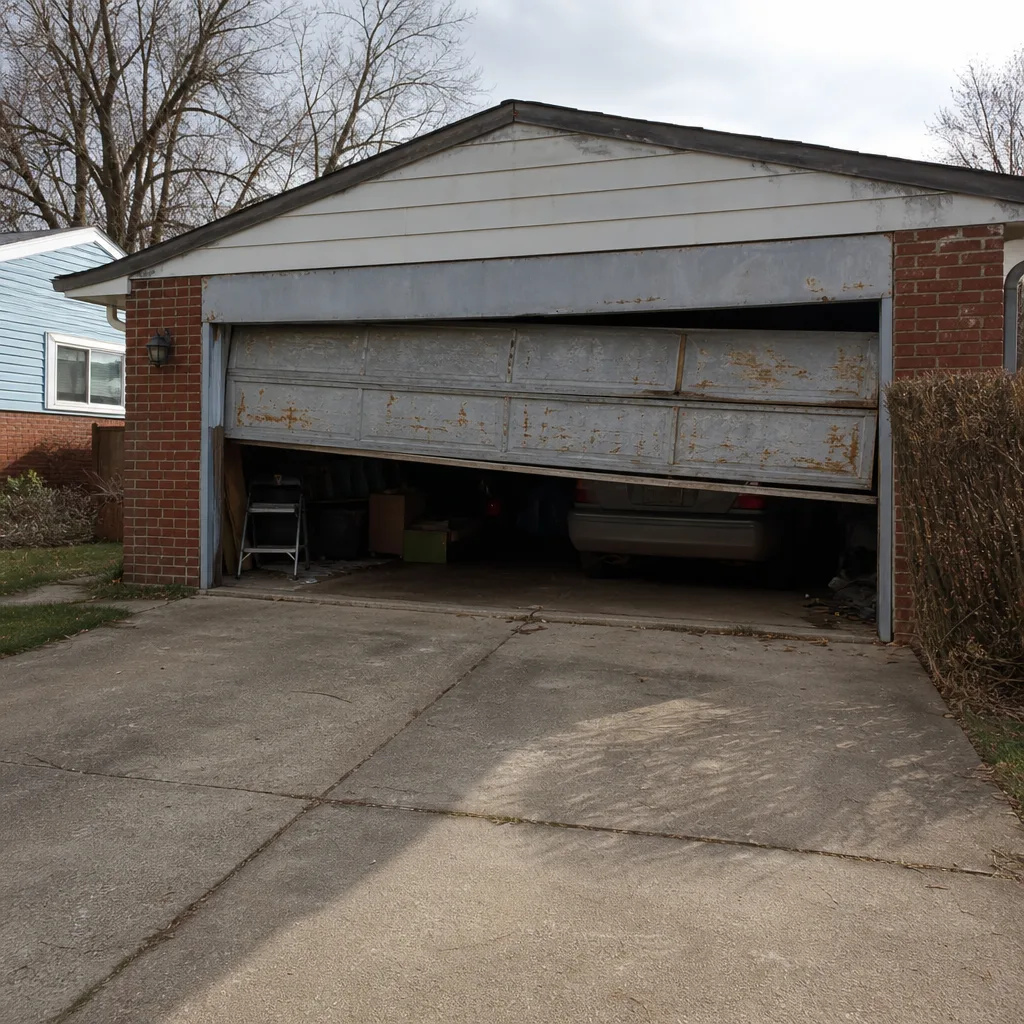 Before
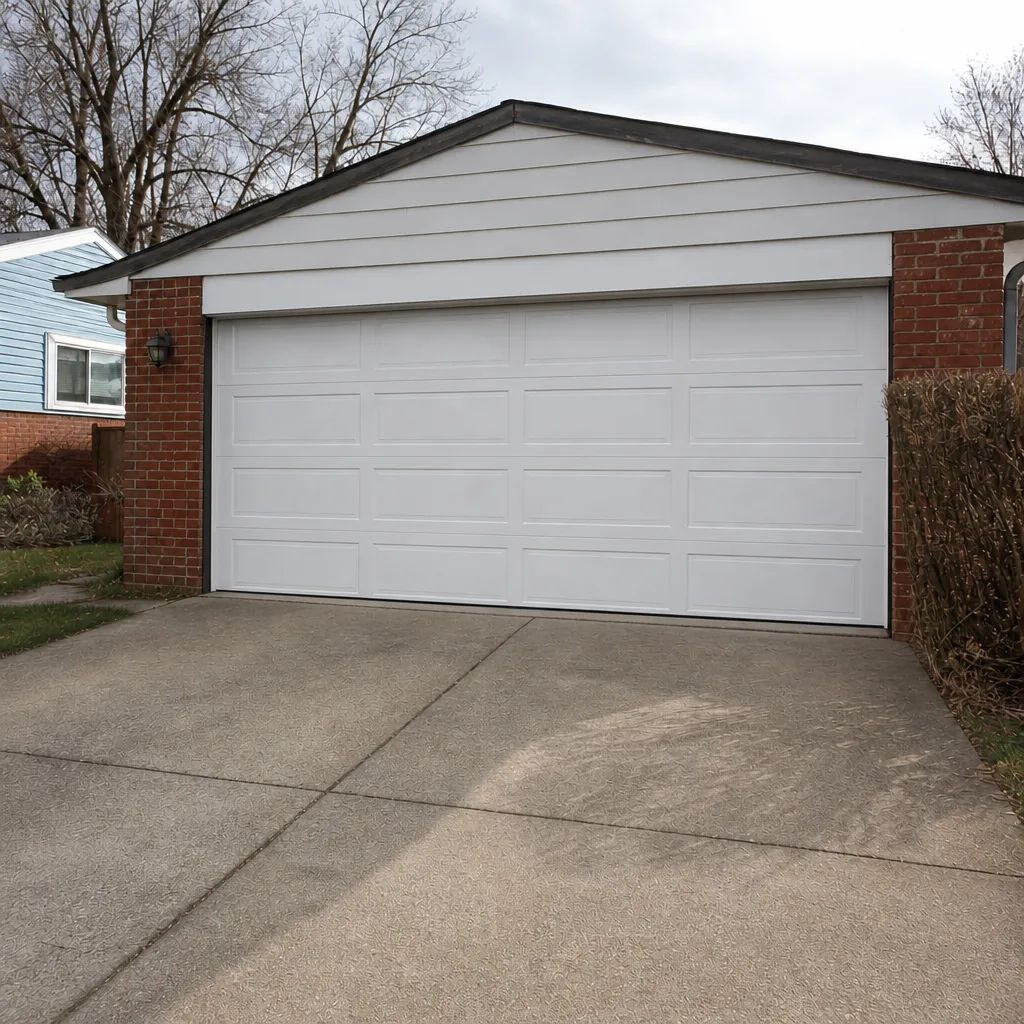 After
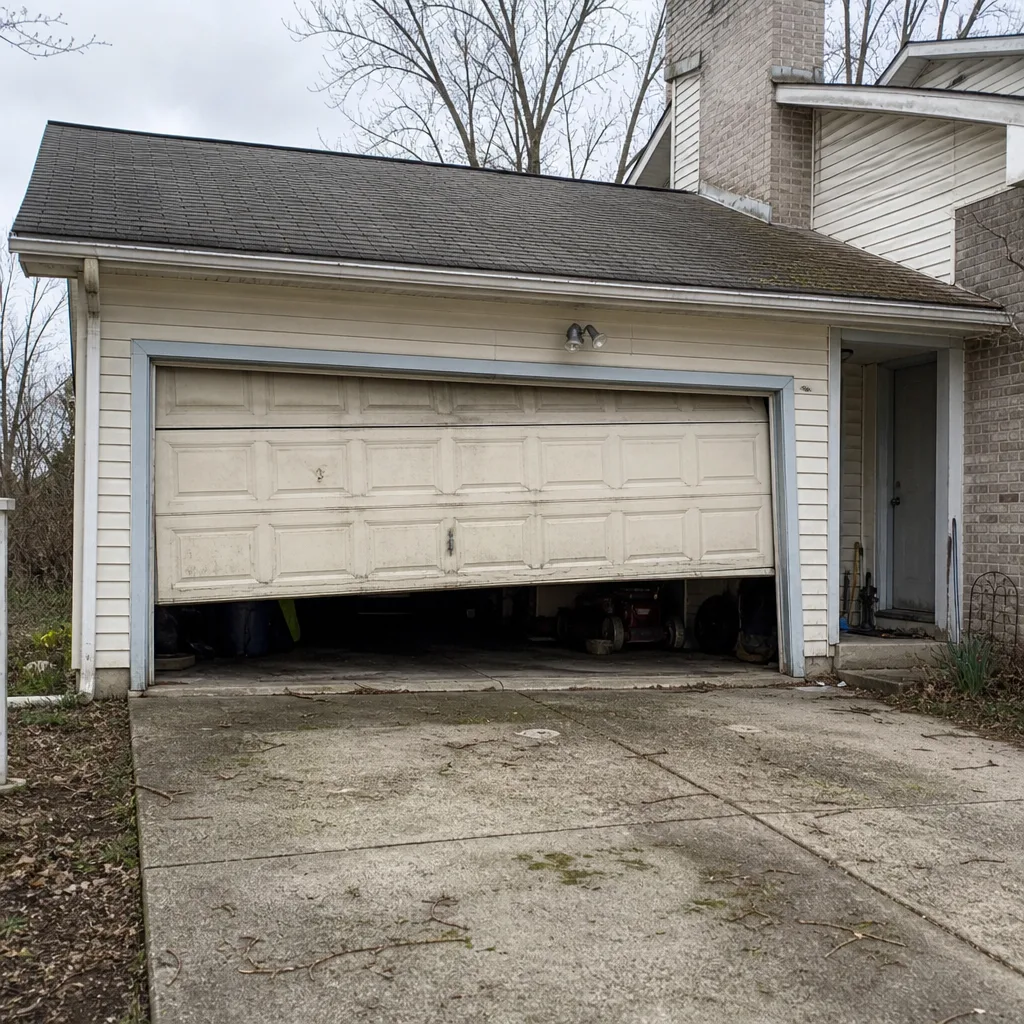 Before
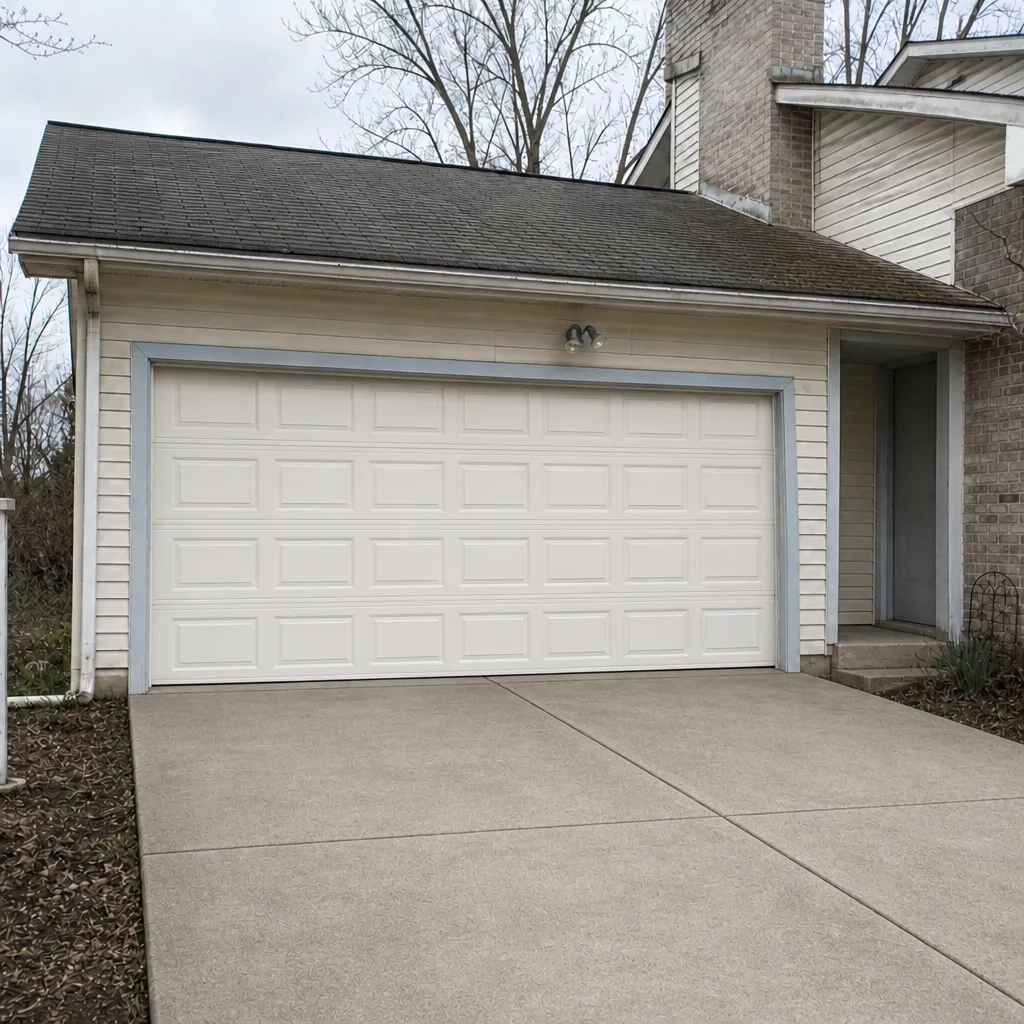 After
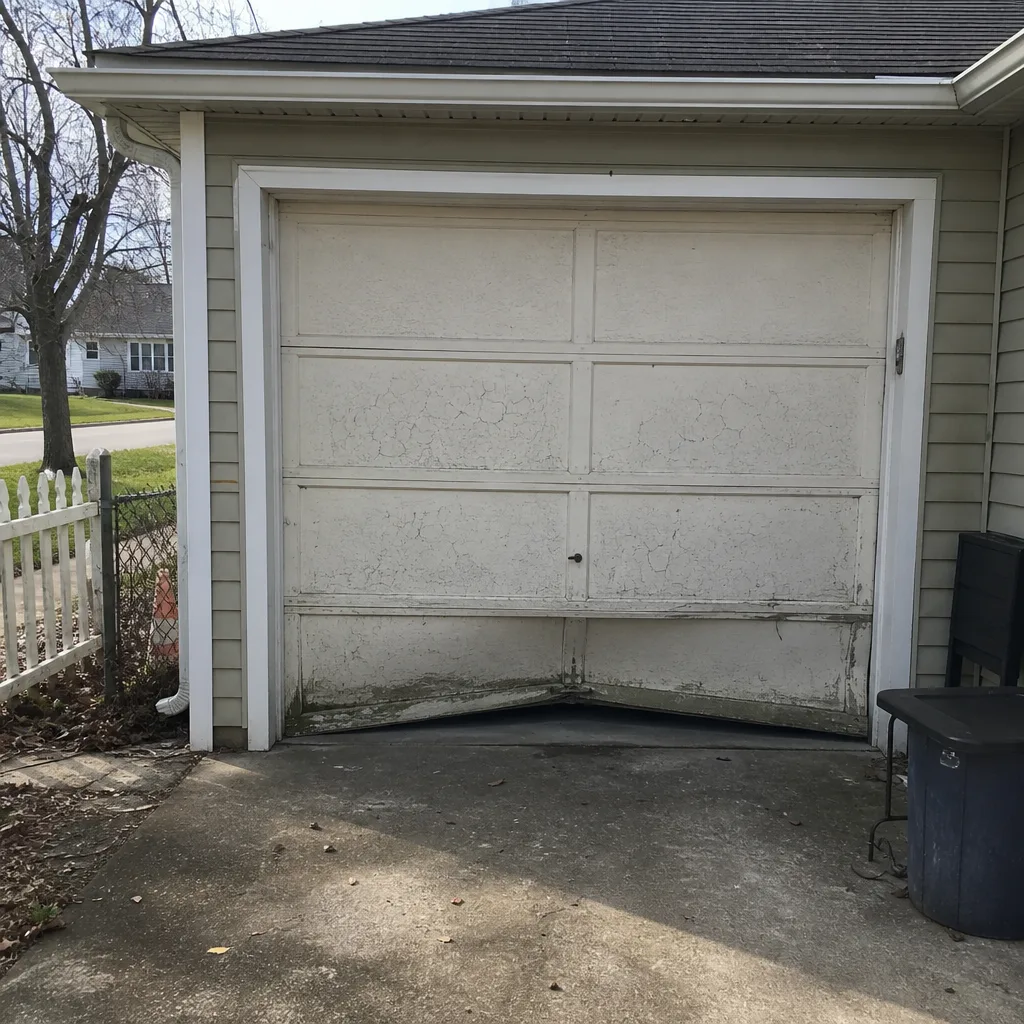 Before
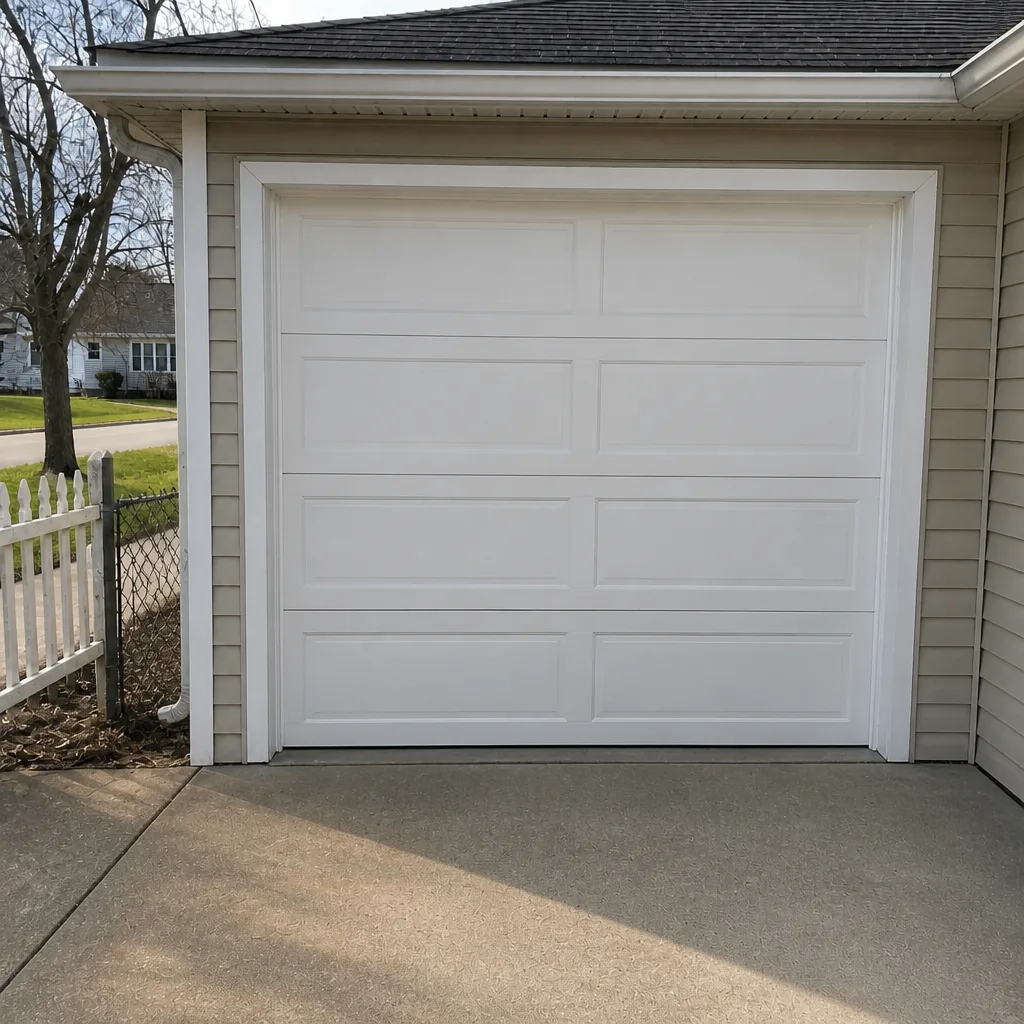 After
When to Call a Professional
Some garage door work is straightforward maintenance and some of it is structural, electrical, or safety-critical. Call a professional when the door won’t open, close, or stay closed; when a spring breaks (springs are the most dangerous component in any garage door system, and we handle them so you don’t have to); when the opener stops responding or reverses unpredictably; when a door is off its track; and when the opening or header needs real work. Also call when you’re planning a replacement and want the permit scope handled correctly from the start rather than corrected at inspection. Avoid any DIY attempt on springs, cables, or the header assembly. Those are the exact jobs where a small error becomes a serious injury or a structural problem. Garage Door Repair Hamilton Pros offers free estimates in Hamilton, and our technicians have up to 8 years of experience across new installs, repairs, openers, and springs. Call (844) 950-3607 to get started. We answer 24/7. Fast dispatch from 7am to 7pm, Sunday through Friday.
Frequently Asked Questions
Usually no, if the replacement is like-for-like: same size opening, same header, same framing, no structural change. A permit is typically required when the header is altered, the opening is resized, framing is repaired, or new electrical work is added for an opener. Call the City of Hamilton’s building department with the exact scope before work starts, and get the answer in writing. For a job that’s just a door and hardware swap, expect a fast answer and no paperwork.
Not always. Swapping an opener for one on the same mount and existing outlet usually doesn’t require a permit. It typically does if a new dedicated circuit, outlet, or wiring has to be run, and older Hamilton homes with ungrounded garage circuits often fall into that category. If the electrical side is unclear, ask the building department. Our opener side is covered at garage door opener repair if the existing unit just needs fixing rather than replacing.
Fire separation is the code requirement that the wall and ceiling between an attached garage and the living space resist fire and smoke long enough for people to escape. It becomes relevant to a garage door project whenever the frame or drywall around the opening is disturbed, because the repair has to restore the assembly, not just close the hole. Ask the building department what thickness and type of gypsum board your home requires before the wall goes back up.
Yes, in specific circumstances. Standard policies can limit or deny coverage when a loss is caused or worsened by work done without required permits or inspections. A compromised fire-separation wall, an uninspected electrical circuit, or a failed header modification are the scenarios that come up. Keep permits, inspection records, and installation documentation in one file, and if you’re unsure whether past work was permitted, ask the city before a claim surfaces the issue.
Turnaround depends on the city’s current workload and whether the application is complete. Simple residential permits usually move faster than ones requiring plan review. The inspection covers the specific scope that was permitted: header size and connections for structural work, gypsum board type and seam finishing for fire separation, and circuit wiring and opener operation for electrical work. Ask which phase each inspection needs, because drywall installed too early forces a tear-out and a second visit.
Three quick checks. Get it in writing in the estimate, confirm the permit record with the City of Hamilton’s building department by address, and ask for the signed inspection record when the job is done. A permit card should be posted at the job site when one is active. If a contractor can’t give a clear answer on whether a permit is needed and whose name it’s in, that’s worth taking seriously before work begins.
The Bottom Line
For most Hamilton homeowners, a garage door replacement is permit-free. For the smaller group that touches a header, adds a new electrical circuit, or disturbs the fire-separation wall of an attached garage, the permit and inspection are cheap insurance for the two moments that matter most: an insurance claim and a home sale. The Ohio thresholds are clear, the City of Hamilton filing process is manageable, and verifying that your contractor pulled the right permits takes three calls at most. Pull the permit. Keep the paperwork. Replacing a door should be a one-week memory, not a three-week delay down the road. For a free estimate on a permit-compliant job, call (844) 950-3607. We answer 24/7. Fast dispatch from 7am to 7pm, Sunday through Friday.
Written by the team at Garage Door Repair Hamilton Pros.